X Questions to Ask Before Hiring a Car Wreck Attorney
Why Hiring a Car Wreck Attorney Can Make or Break Your Recovery
A car wreck attorney is a personal injury lawyer who helps accident victims get fair compensation from insurance companies and at-fault drivers — without you having to fight that battle alone.
Quick answer: What does a car wreck attorney do for you?
- Investigates the crash and gathers evidence (police reports, video, witnesses)
- Proves liability so the right party is held responsible
- Handles all communication with insurance companies on your behalf
- Calculates your full damages — medical bills, lost wages, pain and suffering
- Negotiates or litigates to get you the maximum compensation possible
Car accidents are not rare events. According to NHTSA projections, 19,515 people died in U.S. car crashes last year. Millions more walk away with serious injuries, mounting medical bills, and vehicles they can no longer drive.
The financial pressure hits fast. And while you’re trying to heal, insurance adjusters are already working to minimize what they pay you.
That’s the problem. Insurance companies are experienced negotiators. Most accident victims are not. The gap between what an insurer first offers and what a case is actually worth can be enormous — in some documented cases, the difference has been hundreds of thousands of dollars.
Knowing the right questions to ask before you hire legal help can be the difference between a fair outcome and leaving money on the table.
Essential car wreck attorney terms:
1. What Should I Do Immediately After a Crash to Protect My Rights?

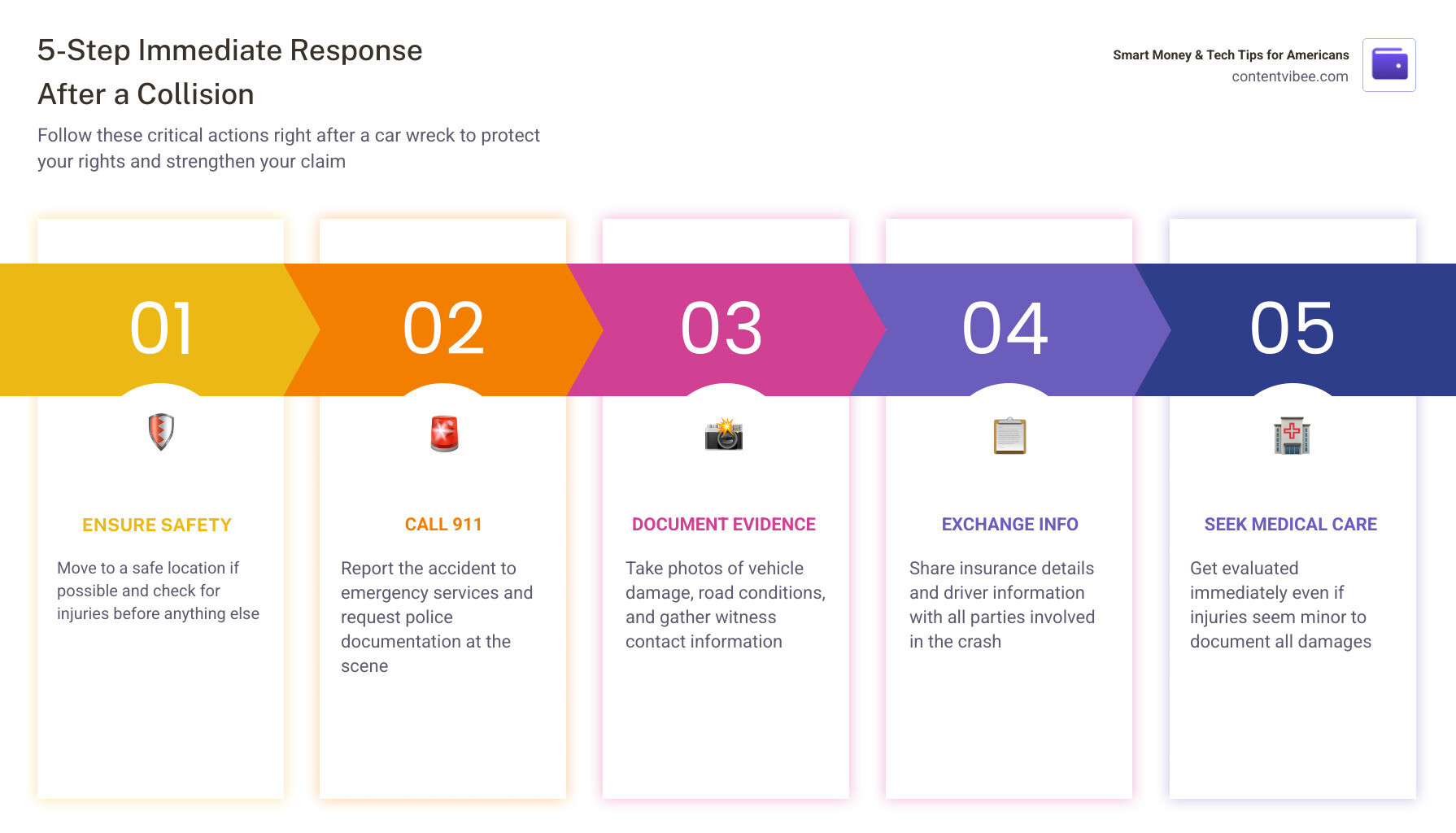
In the chaotic moments following a collision, your adrenaline is pumping, and your brain is likely in “survival mode.” However, the steps you take in the first hour can dictate the success of your future legal claim. We always advise that the very first priority is calling 911. Not only does this ensure emergency medical services arrive, but it also generates an official police report—a foundational piece of evidence for any car wreck attorney.
Once you’ve ensured you are in a safe location away from moving traffic, follow these critical steps:
- Document the Scene: Use your smartphone to take wide-angle photos and close-ups of all vehicles involved, skid marks, broken glass, and even the weather conditions.
- Exchange Information: Get the names, phone numbers, and insurance details of all drivers. Avoid discussing who was at fault; keep the conversation strictly professional.
- Identify Witnesses: If bystanders stopped to help, ask for their contact information. Their objective accounts are often more persuasive to a jury than the testimony of the drivers involved.
- Seek Medical Evaluation: Even if you feel “fine,” some injuries like internal bleeding or whiplash don’t show symptoms immediately. Prompt medical documentation links your injuries directly to the accident.
- Be Wary of Insurers: You may receive a call from the other driver’s insurance company within 24 hours. They may ask for a “recorded statement” to “help speed things up.” Do not provide one. These statements are often used to twist your words and minimize your payout later.
For a more detailed breakdown of this process, check out our Step By Step Guide To Car Claim Lawyer. Most insurance providers require notification within a “reasonable time,” but you should consult with an attorney before signing any documents or accepting a quick settlement check.
2. How Will a Car Wreck Attorney Prove Liability and Gather Evidence?

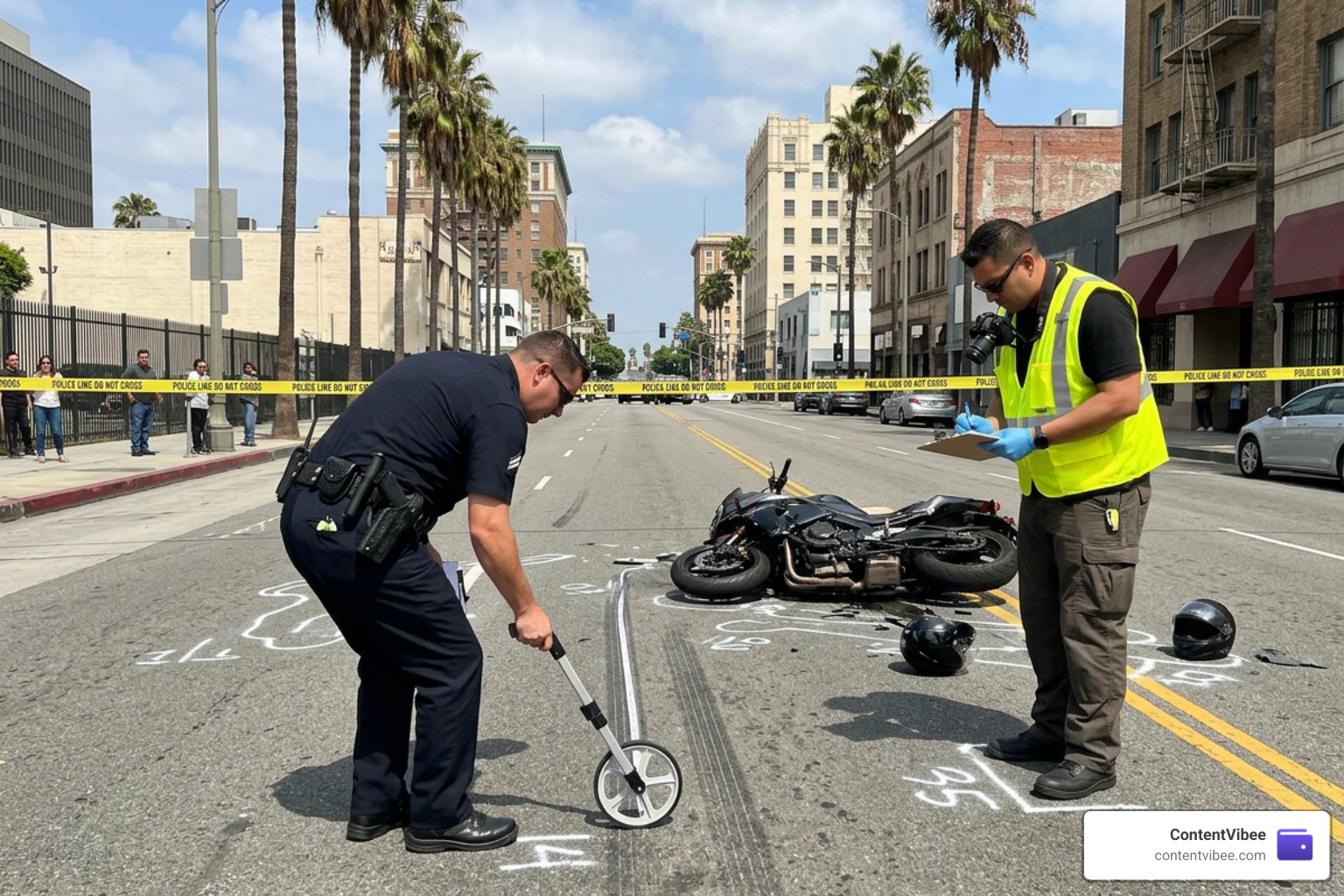
Proving who caused the accident is rarely as simple as pointing a finger. It requires a meticulous reconstruction of events. A skilled car wreck attorney acts as a lead investigator, digging into the details that the average person might overlook.
The statistics are sobering: Every day, at least nine people are killed in the U.S. by a distracted driver. Proving that the other driver was texting or looking at a navigation screen requires more than just a hunch; it requires subpoenaing cell phone records and analyzing data. This is where professional Car Accident Lawyers & Auto Accident Attorneys | Morgan & Morgan excel, as they have the resources to hire experts who can testify about exactly what happened in the seconds leading up to impact.
Proving Fault: How a Car Wreck Attorney Investigates Your Case
Investigation isn’t just about the drivers; it’s about the environment. An attorney will look for:
- Mechanical Defects: Did a tire blow out due to a manufacturing flaw?
- Unsafe Road Conditions: Was there a missing stop sign or a poorly designed intersection?
- Digital Evidence: Modern cars often have “black boxes” (Event Data Recorders) that track speed, braking, and steering input.
- Video Footage: In cities like Kansas City or Houston, traffic camera and dashcam footage can be the “smoking gun” that proves liability.
In Missouri, for example, there has been a 30% increase in distracted driving crashes recently, leading to over 100 statewide deaths in 2024. In high-traffic areas like Kansas City, which saw over 4,600 injury crashes in a single year, lane departures account for nearly 69% of all accidents. An attorney uses these local trends and specific data points to build a narrative that proves the other party’s negligence.
How a Car Wreck Attorney Navigates Complex Rideshare and Commercial Claims
When your accident involves a commercial vehicle or a rideshare driver (Uber/Lyft), the legal complexity triples. These cases often involve:
- Multi-Party Liability: You might be suing the driver, the parent company, and even the maintenance contractor.
- Higher Insurance Limits: Commercial trucks often carry million-dollar policies, which means the insurance companies will fight even harder to deny your claim.
- Government Claims: If you were hit by a city bus or a government vehicle, you may only have six months to file a notice of claim—much shorter than the standard statute of limitations.
- Uninsured/Underinsured Drivers: If the at-fault driver has no insurance, your car wreck attorney will look for alternative avenues, such as your own Uninsured Motorist (UM) coverage, to ensure you aren’t left holding the bill.
3. What Types of Economic and Non-Economic Damages Can I Recover?
When we talk about “damages,” we are talking about the total financial and emotional cost of the accident. A common mistake victims make is only looking at their current medical bills. A car wreck attorney looks at the “big picture”—including how this injury will affect you ten or twenty years from now.
Compensation generally falls into two categories:
Economic Damages (The “Receipt-Based” Losses):
- Medical Expenses: This covers everything from the initial ambulance ride to future surgeries, physical therapy, and prescription medications.
- Lost Wages: If you missed two weeks of work, you are entitled to that pay. If your injury prevents you from ever returning to your high-paying career, you can claim “loss of earning capacity.”
- Property Damage: The cost to repair or replace your vehicle and any personal items inside (like a car seat or laptop).
Non-Economic Damages (The “Human” Losses):
- Pain and Suffering: This compensates you for the physical pain you’ve endured.
- Emotional Distress: Accidents often lead to PTSD, anxiety, and sleep disturbances.
- Loss of Consortium: The impact the injury has on your relationship with your spouse or family.
For those in Texas, firms like Car Accident Attorney in McAllen, TX | Krystal Garza Law emphasize that cases involving traumatic brain injuries (TBI) or spinal fractures often result in much higher settlements because the long-term care costs are astronomical. If you’re curious about what your case might be worth, you can use a Tools/Settlement Calculators/Car Accident Settlement Calculator to get a rough estimate, though a lawyer’s personalized analysis is always more accurate.
In extreme cases involving gross negligence (like a drunk driver), you might also be awarded punitive damages, which are designed to punish the offender rather than just compensate the victim.
4. How Do Contingency Fees and Filing Deadlines Work?
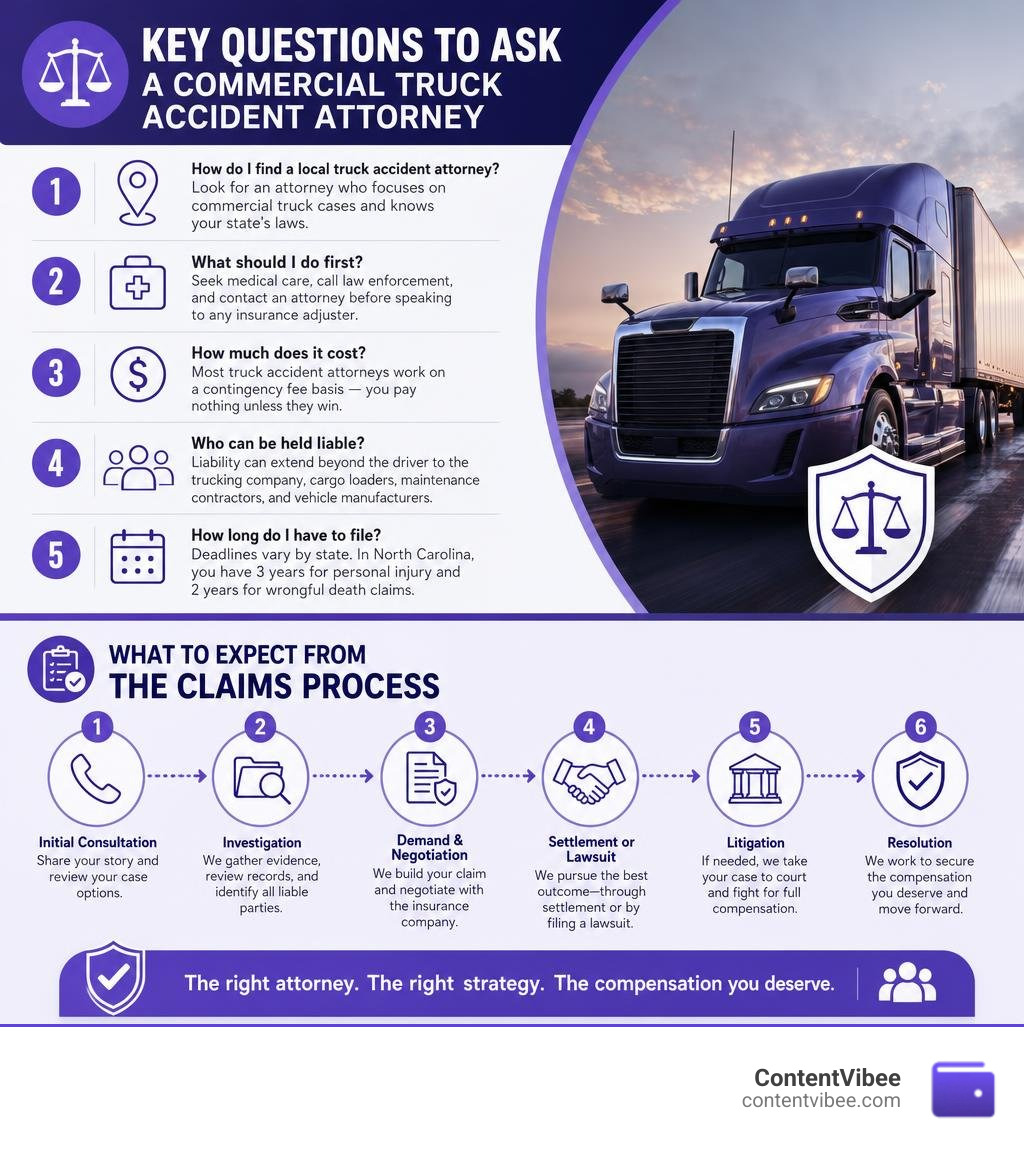
One of the biggest hurdles for accident victims is the fear of legal fees. We have good news: almost all car wreck attorneys work on a contingency fee basis. This means:
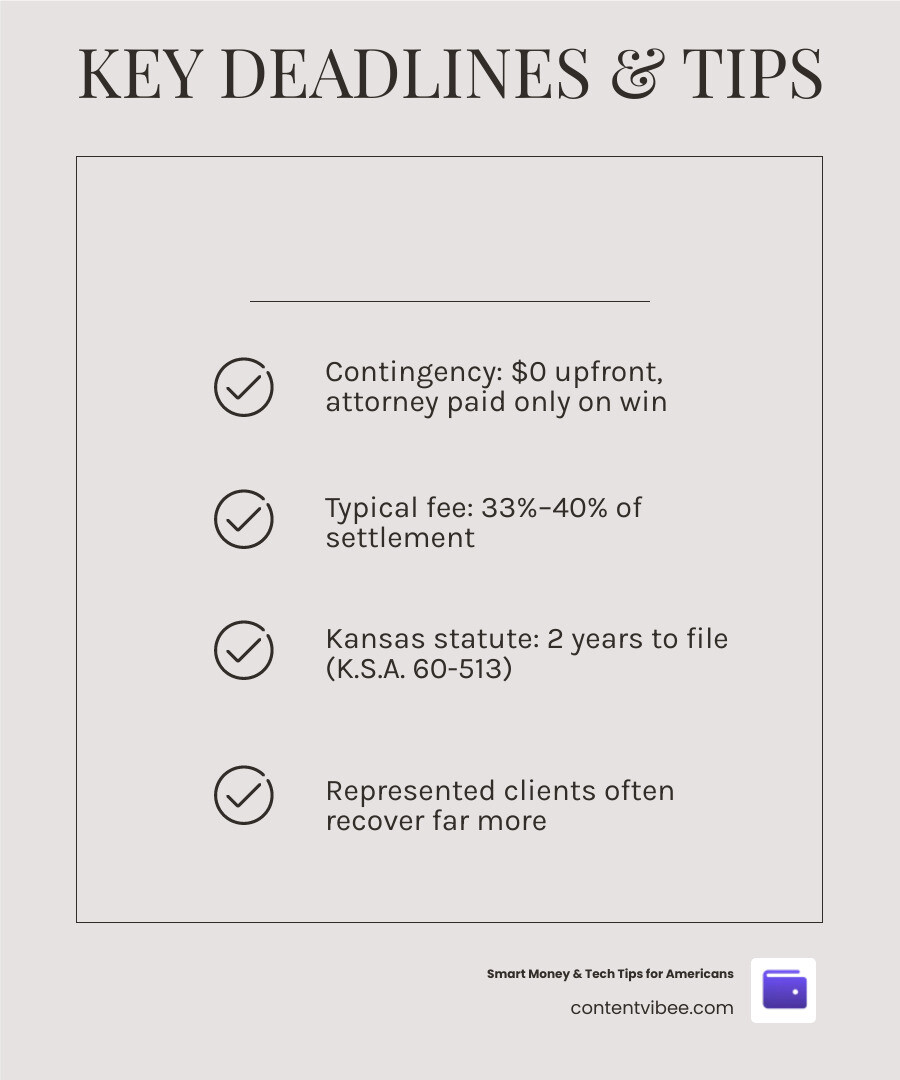
- You pay $0 upfront.
- The attorney covers all the costs of the investigation, expert witnesses, and filing fees.
- The attorney only gets paid if they win your case.
Typically, the fee is a percentage of the final settlement—usually between 33% and 40%. While this might seem high, statistics show that victims with legal representation often walk away with significantly more money, even after the attorney’s fee is deducted, than those who go it alone. For a deeper dive into these costs, see How Much Do Lawyers Charge For Accident Claims.
The Clock is Ticking: Statutes of Limitations
You cannot wait forever to file a claim. Every state has a “Statute of Limitations.”
- Kansas: Under K.S.A. 60-513, you generally have two years from the date of the crash to file a lawsuit.
- Texas: Also generally follows a two-year deadline.
- Florida: Recently moved toward a two-year limit for negligence claims.
If you miss this deadline, you lose your right to sue forever. This is why early intervention is so critical.
5. When is the Right Time to Hire Legal Representation?
The short answer? Immediately.
The longer you wait, the more likely it is that evidence will disappear. Skid marks wash away in the rain, witnesses forget details, and “black box” data in vehicles can be overwritten. Hiring a car wreck attorney early also protects you from the “lowball” tactics insurance companies use. They know you are stressed and may need money quickly, so they might offer a few thousand dollars early on in exchange for you signing away your right to sue. To an injured person, $5,000 might seem like a lot today, but it won’t cover a $50,000 surgery next year.
Furthermore, many states follow comparative negligence rules.
- In Kansas, if you are found to be 50% or more at fault, you recover nothing.
- In Texas, the “51% rule” applies—if you are more than half responsible, you are barred from recovery.
An attorney’s job is to ensure the fault is placed where it belongs, maximizing your potential settlement. If you are unsure where to start, our guides on How To Find A Good Car Accident Lawyer and How To Find A Lawyer For Car Accidents can help you vet potential firms.
Frequently Asked Questions about Car Wreck Attorneys
What is the average settlement for a car wreck with serious injuries?
There is no single “average” because every case is unique. However, high-value results are common for severe injuries. For example, a Houston client recently secured a $2.25 million settlement for a traumatic brain injury and spinal fracture. In Los Angeles, a jury awarded a $1.225 million verdict for a rear-end crash that had only $100 in property damage—proving that “minor” fender benders can cause life-altering physical damage.
Can I still recover compensation if I was partially at fault for the accident?
Yes, in most states, but your payout will be reduced by your percentage of fault. If your damages are $100,000 and you are found to be 20% at fault, you would receive $80,000. However, as mentioned, if you cross the 50% or 51% threshold (depending on the state), you may be barred from recovering anything at all.
How long does it typically take to resolve a car accident claim in 2026?
Most claims settle within 6 to 18 months. If a case goes to trial, it could take two years or more. The timeline depends heavily on your “Maximum Medical Improvement” (MMI). Your attorney shouldn’t settle your case until they know the full extent of your future medical needs.
Conclusion
Navigating the aftermath of a vehicle collision in May 2026 requires more than just luck; it requires a strategic legal partner. With over 19,000 fatalities annually and a rising tide of distracted driving, the road is more dangerous than ever. A car wreck attorney provides the shield you need to protect your financial future while you focus on your physical recovery.
At Smart Money & Tech Tips for Americans, we believe in empowering you with the knowledge to make smart financial decisions—and that includes knowing when to bring in a professional. Don’t let an insurance company dictate the value of your health and well-being.
Final Victim Checklist:
- Call 911 and get a police report.
- Take photos of everything at the scene.
- See a doctor immediately (even for minor pain).
- Consult a lawyer before talking to insurance adjusters.
- Check your state’s filing deadlines to ensure you don’t lose your rights.
For more tips on navigating the modern economy, see our review: Is the Autopilot Investment App Worth the Cost?