What to Expect When Hiring a Commercial Truck Injury Lawyer
Why Commercial Truck Accidents Differ From Car Accidents
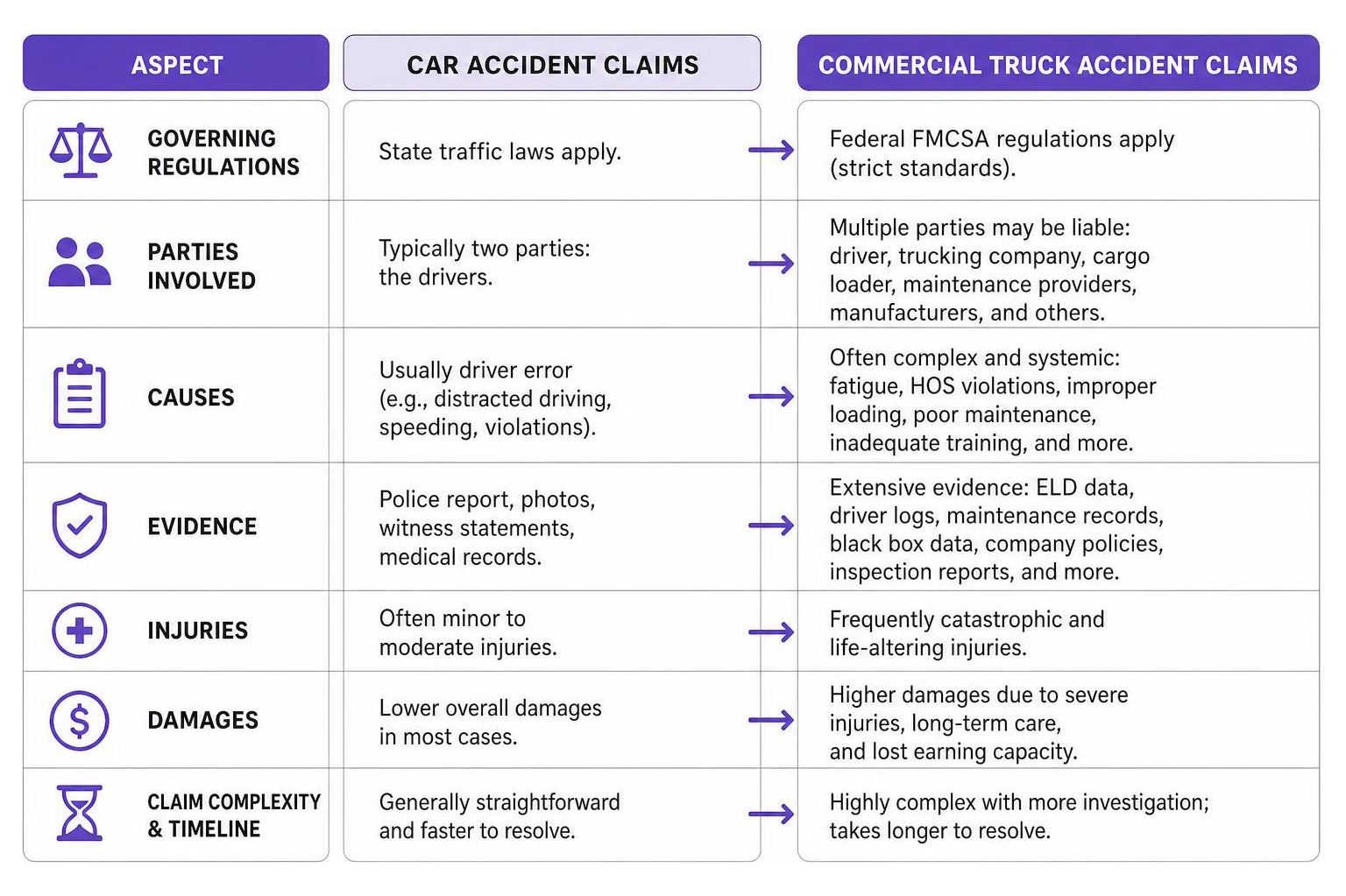
When a 4,000-pound sedan collides with an 80,000-pound semi-tractor trailer, simple physics dictates the outcome. The immense kinetic force involved means that occupants of smaller passenger cars bear the brunt of the devastation. Under Federal Motor Carrier Safety Administration (FMCSA) standards, any vehicle with a gross vehicle weight rating over 10,001 pounds is legally recognized as a commercial motor vehicle subject to strict regulatory oversight.
Because of this massive size discrepancy, injuries sustained in heavy vehicle collisions are rarely limited to simple whiplash or minor bruises. Victims frequently face catastrophic, life-altering outcomes such as traumatic brain injuries (TBIs), spinal cord damage resulting in quadriplegia or paraplegia, severe third-degree burns, crushed limbs requiring amputation, and complex internal organ damage.
Beyond physical dynamics, the causes of commercial truck collisions are far more intricate than everyday fender-benders:
- Driver Fatigue and Schedule Pressure: Truckers face strict delivery windows, leading to severe sleep deprivation and Hours of Service (HOS) violations.
- Improper Cargo Loading: Unbalanced freight or unsecured heavy equipment can shift mid-transit, causing catastrophic rollover or jackknife crashes.
- Inadequate Vehicle Maintenance: Neglected brake pads, worn steering components, or blown tires frequently cause operators to lose control at highway speeds.
- Inadequate Driver Training: Motor carriers looking to cut operational costs often place under-qualified drivers behind the wheel without sufficient safety instruction.
Treating a commercial wreck like a basic auto claim is a recipe for disaster. If you want to understand how specialized legal strategy handles these major differences, read The Ultimate Guide to Finding an 18 Wheeler Injury Lawyer Before It’s Too Late.
Navigating Federal Regulations and Multi-Party Liability
Commercial trucking is heavily governed by Title 49 of the Code of Federal Regulations (49 CFR). These FMCSA rules govern driver qualification files (Part 391), drug and alcohol testing schedules (Part 382), strict hours-of-service limitations (Part 395), and mandatory systematically recorded vehicle maintenance (Part 396).
Federal law also imposes mandatory financial responsibility limits on motor carriers under 49 C.F.R. § 387. Standard non-hazardous freight trucks must carry a minimum of $750,000 in liability coverage, while vehicles transporting hazardous substances must maintain up to $5,000,000 in coverage. Additionally, federal policy rules often include an MCS-90 endorsement, a legal safety net ensuring that an injured third party can recover damages directly from the insurance provider even if the motor carrier breached its underlying policy terms.
Determining Liability Across the Logistics Chain
In a standard car accident, liability usually begins and ends with the driver who ran a red light. In commercial trucking, however, an experienced commercial truck injury lawyer investigates the entire supply chain to uncover every source of fault:
- The Commercial Driver: For direct negligence such as distracted driving, speeding, or driving under the influence.
- The Motor Carrier (Trucking Company): Under vicarious liability (respondeat superior) or direct negligence for forcing drivers to exceed safety limits or failing to perform mandatory background checks.
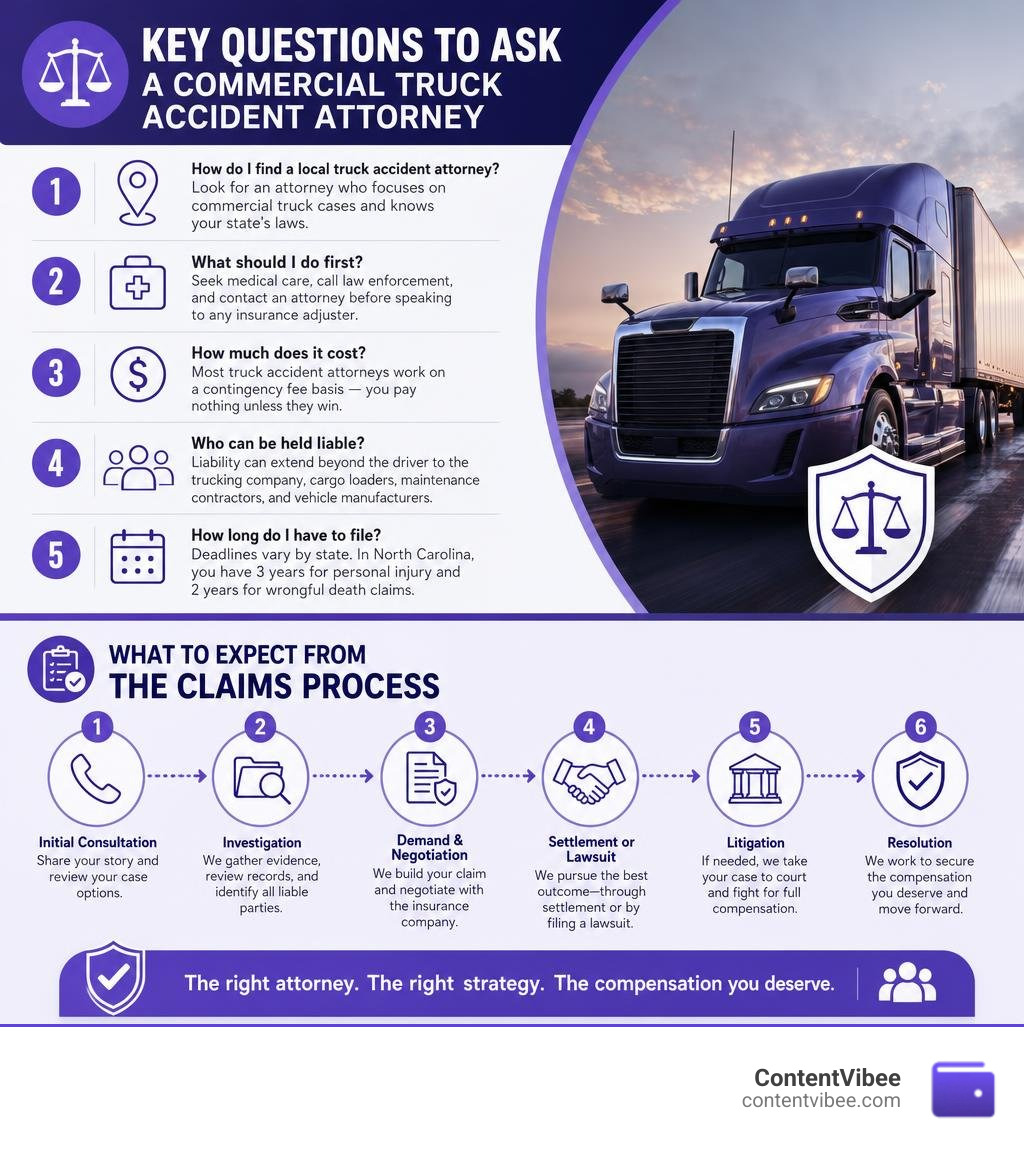
- Third-Party Cargo Loaders: For improperly securing or over-weighting cargo trailers.
- Maintenance Contractors: For performing negligent repairs or failing to replace dangerous mechanical parts.
- Freight Brokers and Logistics Shippers: Under recent court precedents establishing liability for negligent selection of unsafe motor carriers.
- Vehicle Component Manufacturers: For defective brake systems, blown tires, or failed steering columns.
Critical Evidence a Commercial Truck Injury Lawyer Will Preserve
Evidence in commercial truck crashes vanishes quickly. Federal law only mandates that trucking companies preserve routine driver logbooks for six months unless formally instructed otherwise. Furthermore, digital data can easily be overwritten or lost during routine fleet operation.
To prevent the destruction of vital records, your commercial truck injury lawyer will immediately draft and serve a formal spoliation letter. This legal directive demands that the motor carrier freeze and preserve:
- Electronic Logging Device (ELD) Records: Proving HOS compliance and driving time.
- Engine Control Module (ECM) / “Black Box” Data: Capturing vehicle speed, brake application, throttle position, and steering input seconds before impact.
- Onboard Dashcam Video: Such as dual-facing Lytx systems recording driver behavior and highway conditions.
- Driver Qualification Files (DQF): Containing background checks, medical Examiner certificates, and past driving infractions.
- Post-Accident Drug and Alcohol Screenings: Mandated under federal rules immediately following fatal or severe crashes.
The Legal Process and Role of a Commercial Truck Injury Lawyer
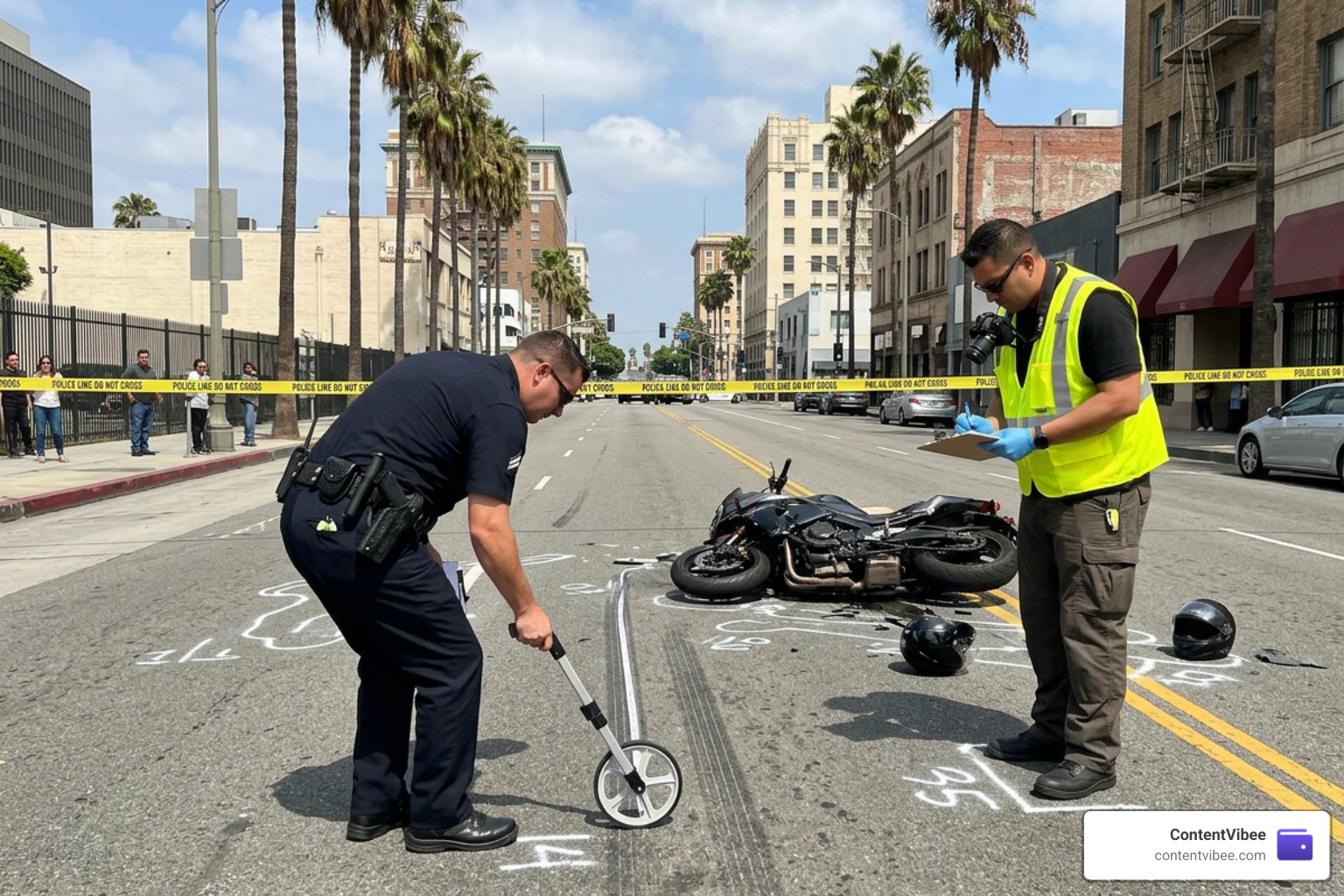
A specialized commercial truck injury lawyer does not merely manage administrative paperwork—they launch an aggressive, multidisciplinary investigation. Your attorney will immediately dispatch independent accident reconstruction experts to inspect skid marks, vehicle crush profiles, and road geometry before the scene is altered. They will also hire vocational rehabilitation specialists and certified medical life-care planners to calculate the exact lifetime costs of long-term medical care, future surgeries, adaptive equipment, and reduced earning capacity.
Corporate defense teams routinely attempt to contact injured victims in the hospital, offering quick settlement checks in exchange for signed liability releases. Your attorney acts as a protective shield against these high-pressure insurer tactics, handling all communication while meticulously building a trial-ready case to force maximum leverage during settlement negotiations.
What Happens During Your Initial Consultation with a Commercial Truck Injury Lawyer
Your journey begins with a comprehensive, confidential case evaluation provided at zero initial cost. During this meeting, the attorney will evaluate police reports, review medical assessments, and map out potential statutory violations under FMCSA regulations.
Commercial truck injury attorneys operate on a contingency fee basis. This means you pay absolutely no money upfront or out-of-pocket hourly rates. Instead, attorney fees are deducted as an agreed-upon percentage (typically 33% to 40%) of the final recovery amount secured via settlement or trial verdict. If your attorney fails to win your case, you owe nothing for their legal services. For an in-depth breakdown of how legal fee agreements work, check out our guide on Will a Car Accident Lawyer Take All My Money Understanding Contingency Fees.
Understanding Compensation and Financial Recovery Options
Victims of commercial vehicle collisions are entitled to seek broad financial recovery across several categories:
- Economic Damages: Direct, quantifiable financial losses including emergency room care, hospital bills, rehabilitation, specialized medical equipment, lost wages, and loss of future earning capacity.
- Non-Economic Damages: Subjective, non-monetary losses such as physical pain and suffering, emotional anguish, permanent disfigurement, loss of enjoyment of life, and loss of consortium.
- Punitive Damages: Extra monetary awards assessed by a court under specific statutory standards (such as Texas Civil Practice & Remedies Code § 41.003 or Georgia O.C.G.A. § 51-12-5.1) when the defense acted with gross negligence, willful misconduct, or active intoxication.
Many states enforce modified comparative fault laws. For example, under Georgia’s modified comparative fault system (O.C.G.A. § 9-3-33) and Florida’s HB 837 rules, an injured party can recover financial compensation as long as their share of fault is under 50%. However, their final payout is reduced proportionally by their percentage of fault—and reaching 51% fault entirely bars recovery.
Additionally, because severe injuries require immediate hospital care, your attorney will manage medical liens placed by healthcare networks or health insurance providers, negotiating these liens down post-settlement to maximize the net cash in your pocket. To estimate what your potential recovery might look like, explore ContentVibee’s Personal Injury Settlement Calculator.
Key Steps and Statutory Deadlines After a Truck Accident
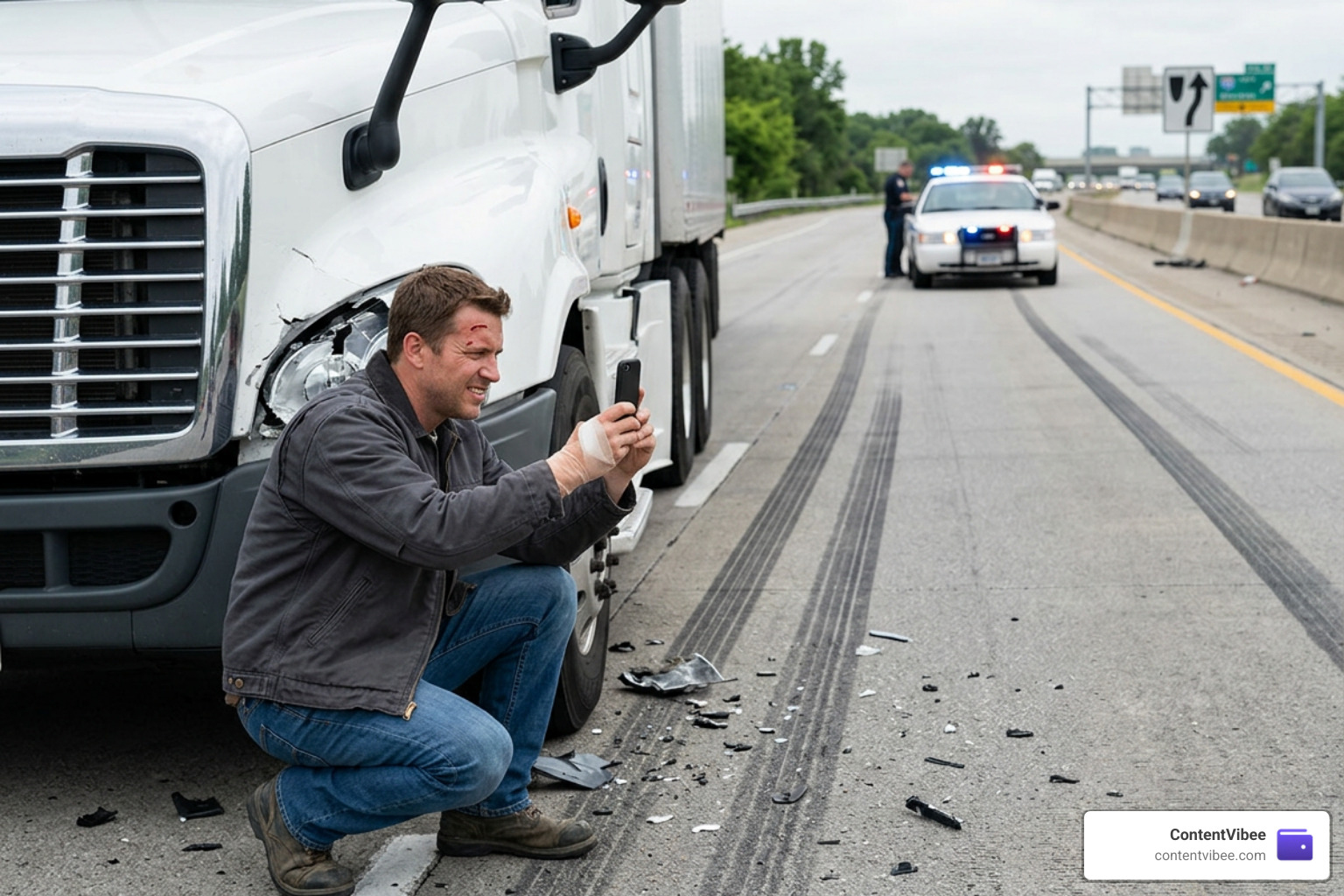
Taking immediate, deliberate steps after a crash significantly strengthens your legal claim:
- Prioritize Physical Safety: Move to a safe location out of active traffic lanes if possible.
- Contact Emergency Services: Call 911 to request emergency medical personnel and law enforcement.
- Document the Crash Scene: Take detailed photos and videos of all damaged vehicles, truck carrier DOT numbers, road conditions, skid marks, traffic signals, and physical injuries.
- Collect Information: Gather names, phone numbers, driver’s license details, carrier names, and insurance numbers from all involved drivers, as well as contact details from eye witnesses.
- Seek Prompt Medical Evaluation: Adrenaline hides internal trauma; getting evaluated immediately establishes a direct medical link to the wreck.
- Decline Insurer Statements: Never grant recorded statements or accept early checks from motor carrier insurance adjusters without a lawyer present.
Time is your biggest legal enemy. Every state enforces a strict statute of limitations dictating how long you have to file a formal lawsuit. For example, states like Louisiana feature a brief 1-year statute of limitations, while Florida (under HB 837) and Georgia enforce a 2-year deadline from the date of the crash.
Furthermore, if your crash involved a government-owned commercial fleet (such as municipal sanitation or utility trucks), you may be required to serve an ante litem notice in as little as 6 months to preserve your right to sue.
How to Choose and Evaluate a Commercial Truck Injury Lawyer
Not all trial lawyers possess the resources needed to defeat a multinational motor carrier. When evaluating potential legal representation, look for attorneys who hold specialized Board Certification in Truck Accident Law accredited by the National Board of Trial Advocacy (NBTA)—a distinction held by fewer than 1% of trial lawyers nationwide, including experts like Joseph V. Camerlengo and Matthew E. Wright.
Ask potential attorneys how much of their practice is dedicated exclusively to commercial motor vehicle litigation. Firms like Calderon Law Firm, Sean Regan Law, Rouviere Law Firm, and Loshak Law PLLC specialize in dismantling commercial insurance defenses. Ensure your attorney has the financial capital required to front tens of thousands of dollars in expert witness fees, and demand direct attorney communication rather than being handed off to paralegals. To learn more about selecting qualified representation, review our guide on X Things You Need to Know Before Hiring Commercial Vehicle Accident Lawyers.
Frequently Asked Questions About Truck Injury Claims
How long do I have to file a commercial truck accident claim?
Statutory deadlines vary significantly depending on the state where the collision occurred. Most state personal injury statutes of limitations range from one to two years from the crash date. However, claims against municipal or government vehicles require specialized ante litem notices served within 6 months. Certain narrow tolling exceptions exist for injured minors or cases involving active criminal prosecutions, but waiting is always dangerous because critical black box data can be lawfully erased after short federal retention periods expire.
Who can be held liable in a commercial truck accident case?
Liability often extends far beyond the individual behind the wheel. Potentially liable parties include the commercial driver, the motor carrier company, third-party cargo loading vendors, maintenance contractors, component manufacturers, freight brokers, and logistics planning companies who assigned unsafe routes or ignored federal driver safety ratings.
What should I do immediately after a commercial truck accident?
Call 911 immediately to secure an official police crash report and request medical assistance. Document the scene by taking photographic evidence of all vehicle damage, license plates, commercial DOT numbers, road hazards, and injuries. Exchange contact details with eye witnesses, seek immediate medical treatment at an emergency department, refrain from giving recorded statements or posting details on social media, and retain a specialized commercial truck injury lawyer immediately.
Conclusion
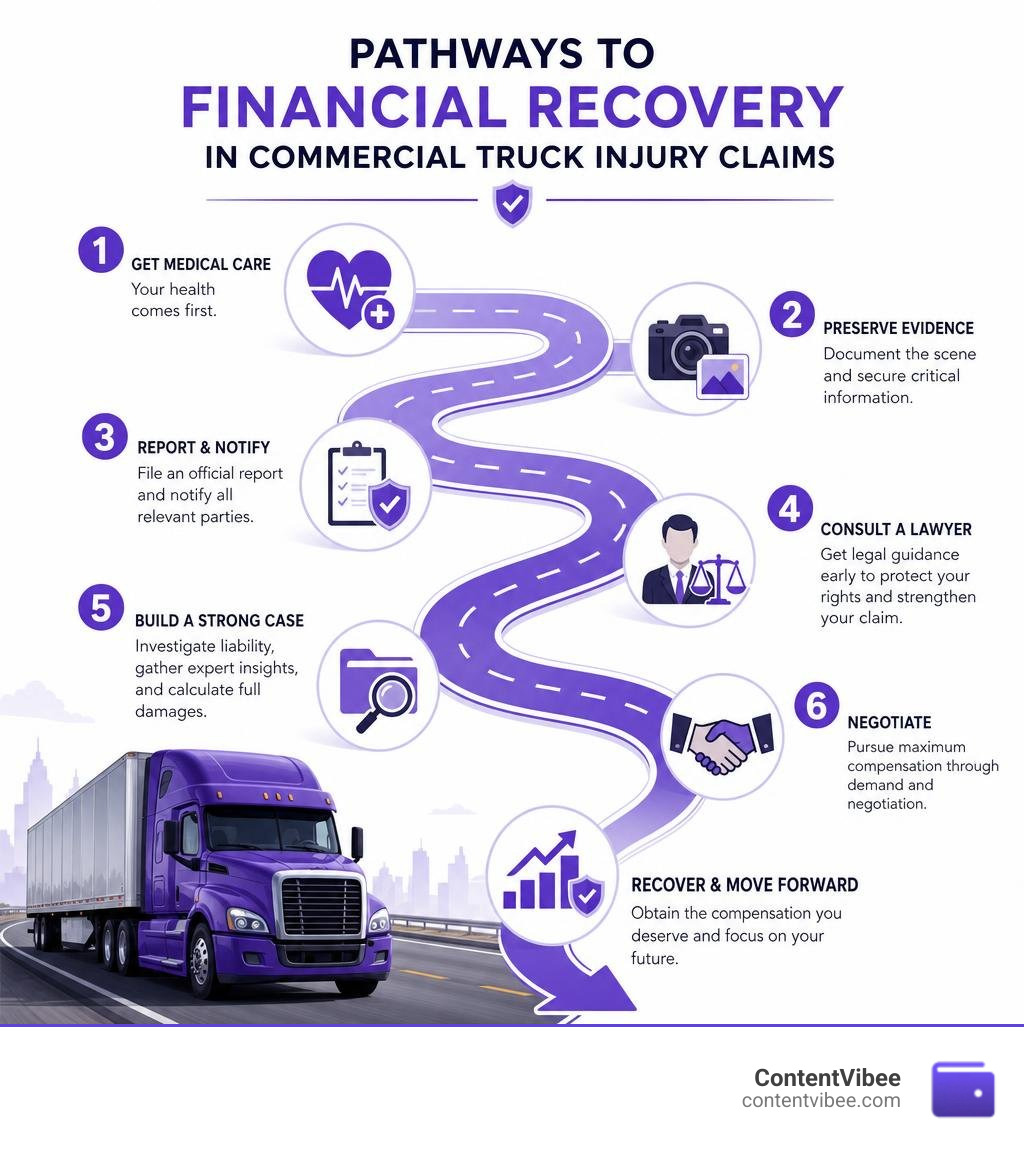
Navigating a commercial truck injury claim is a complex, high-stakes process. Between severe physical trauma, layered commercial insurance policies, multi-party supply chain liability, and strict FMCSA federal safety regulations, attempting to take on a corporate defense team alone leaves substantial recovery money on the table.
By hiring a qualified, dedicated commercial truck injury lawyer, you ensure that critical black box evidence is protected through spoliation directives, all liable entities across the logistics supply chain are held accountable, and your total financial recovery reflects your true long-term needs.
At ContentVibee, we empower injury victims with actionable legal intelligence, step-by-step decision guides, and professional-grade financial calculators. To learn more about evaluating potential trial representation, explore our comprehensive breakdown of the Top 10 Truck Accident Attorneys Reviewed.