Big Truck Wreck Lawyers: 7 Things to Know Before Hiring
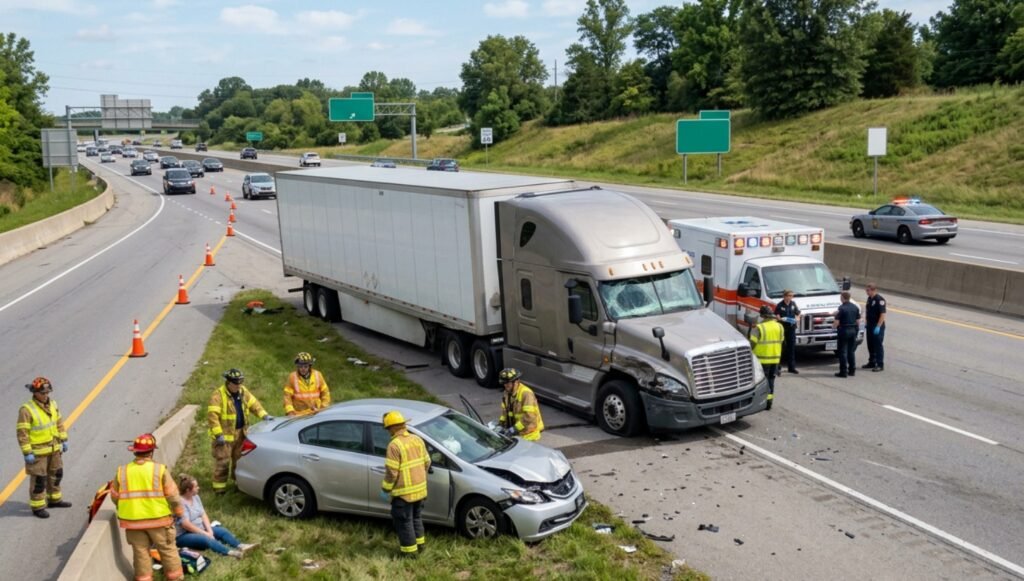
What to Know Before You Hire Big Truck Wreck Lawyers
If you’ve been in a crash with a commercial truck, big truck wreck lawyers are the specialists you need — not a general personal injury attorney. Here’s a quick snapshot of what to look for:
How to find qualified big truck wreck lawyers:
- Look for truck-specific experience — attorneys who know FMCSA regulations and commercial trucking law
- Check their track record — look for significant settlements or verdicts in truck accident cases
- Confirm contingency fees — most reputable firms charge nothing unless they win
- Avoid high-volume firms — firms chasing quick settlements may leave money on the table
- Act fast — evidence disappears quickly and statutes of limitations vary by state
A fully loaded tractor-trailer can weigh up to 80,000 pounds — compared to roughly 5,000 pounds for the average passenger vehicle. When these two collide, the results are devastating.
The numbers back this up. In 2020 alone, 4,842 large trucks were involved in fatal crashes in the U.S. And in those crashes, 71% of the people killed were in the other vehicle — not the truck.
These aren’t just bad car accidents with bigger vehicles. Truck crashes involve federal regulations, multiple liable companies, and corporate legal teams that go to work immediately after a crash. The trucking company’s insurer may already be building a case against you before you’ve left the hospital.
That’s why choosing the right legal representation isn’t just important — it can be the difference between a payout that barely covers your bills and one that fully accounts for your injuries, lost income, and long-term care.
This guide covers the 7 most important things to know before you hire a truck accident lawyer.
Key big truck wreck lawyers vocabulary:
Why You Need Specialized Big Truck Wreck Lawyers
When looking for legal help after a collision with an 18-wheeler, many people make the mistake of hiring a general personal injury lawyer. While a generalist might be great at handling straightforward rear-end car accidents, commercial vehicle crashes are an entirely different beast.
To win a case against a commercial transport carrier, your legal team must understand the deep complexities of both state laws and the Federal Motor Carrier Safety Administration (FMCSA) guidelines. These federal rules dictate everything from how many hours a driver can spend behind the wheel to the exact mechanical maintenance standards for the truck’s braking systems.
Furthermore, commercial trucking companies have massive resources. The moment a serious crash occurs, they deploy rapid response teams—including private investigators, accident reconstruction experts, and aggressive corporate defense attorneys—directly to the scene. Their goal is simple: minimize their liability and protect their bottom line.
If you do not have a specialized advocate on your side, you are bringing a knife to a gunfight. For a deeper look into how these specialists build a winning case, check out our truck wreck attorney ultimate guide.
The 7 Crucial Things to Know Before Hiring
Navigating the aftermath of a commercial vehicle collision is overwhelming. Between managing severe physical injuries and dealing with sudden financial strain, you shouldn’t have to guess how the legal process works.
Before you sign an agreement with any law firm, you need to understand how these cases are investigated, how liability is proven, and how compensation is calculated. To help you make an informed decision, we have compiled the seven most critical factors you must keep in mind. For a comprehensive overview of how these firms operate, you can also read our truck accident law firm complete guide.
1. Big Rig Accidents Are Far More Complex Than Car Crashes
The sheer physics of a collision involving an 80,000-pound commercial vehicle means the crash dynamics are fundamentally different from standard passenger car accidents.
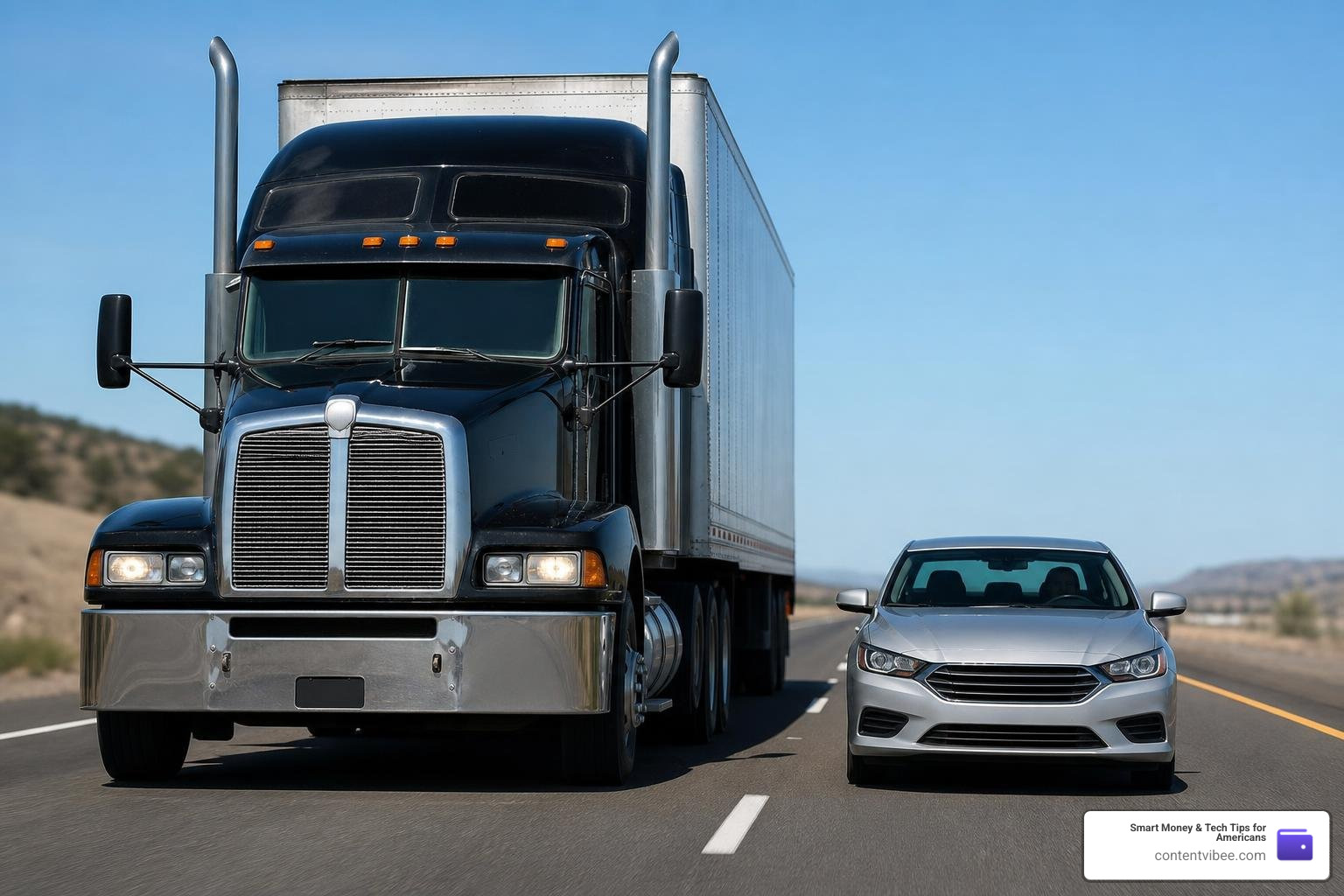
Because of this massive weight disparity, the impact forces in a truck crash are catastrophic. This explains why approximately 107,000 large trucks were involved in injury-causing accidents in a single recent year, and why 31% of fatal truck accidents are head-on collisions. Additionally, 63% of these fatal accidents occur in rural areas, where higher speed limits and long stretches of highway contribute to devastating high-speed impacts.
From a legal standpoint, standard car accidents usually involve two drivers and their respective insurance companies. In contrast, a big rig wreck involves commercial insurance policies worth millions of dollars, black box data recorders, and complex corporate structures. To learn more about how these specific cases are handled, read the resource on Big Rig Truck Accident Lawyers | Nix Patterson .
2. Multiple Parties Can Be Held Liable
In a typical car crash, fault usually lies with one of the drivers. In a commercial truck accident, however, liability is rarely that simple. Multiple corporate entities may share the blame for your injuries. A skilled lawyer will investigate every angle to hold all negligent parties accountable, which may include:
- The Truck Driver: For reckless driving, speeding, driving under the influence, or violating hours-of-service limits.
- The Trucking Company: Under the legal doctrine of respondeat superior (vicarious liability), companies are often responsible for the actions of their employees. They can also be held liable for negligent hiring practices, failing to perform background checks, or forcing drivers to meet unrealistic delivery deadlines.
- The Cargo Loading Company: If the cargo was improperly secured or overloaded, causing the truck to jackknife or roll over.
- The Maintenance Provider: If a third-party mechanic failed to identify or repair critical safety issues, such as worn brake pads or bald tires.
- The Parts Manufacturer: If a defective component—like a blown tire or steering failure—caused the crash.
- The Freight Broker: Recent landmark legal decisions, including a major Supreme Court ruling, have held freight brokers accountable for negligent hiring when they contract with unsafe trucking companies to transport goods.
Identifying every liable party is key to maximizing your financial recovery. For tips on finding local experts who specialize in identifying these defendants, see our truck accident lawyers near me guide.
3. Federal and State Regulations Heavily Influence Liability
The commercial trucking industry is governed by a strict web of rules designed to keep the public safe. When an accident occurs, proving that the truck driver or carrier violated one of these regulations is often the smoking gun that establishes liability.
For example, the FMCSA strictly limits commercial drivers to a maximum of 11 hours of driving after 10 consecutive hours off duty. To enforce this, modern trucks are equipped with Electronic Logging Devices (ELDs). These devices act as “black boxes,” digitally recording driving hours, vehicle speed, engine performance, and braking patterns.
However, you must act fast. By law, trucking companies are only required to preserve ELD data for six months before it can be overwritten. An experienced attorney will immediately issue a formal preservation letter (or “Notice of Claim”) to legally prevent the trucking company from destroying this vital evidence. For a detailed breakdown of how federal and state safety standards affect your claim, refer to the Wilmington Truck Accident Lawyer | Meirowitz & Wasserberg guide.
4. How Big Truck Wreck Lawyers Calculate Your Compensation
Because commercial truck crashes cause such severe damage, the compensation packages in these cases are typically much higher than in standard auto claims. Your attorney will work with medical and financial experts to calculate both your current losses and your future needs.
Economic Damages
These are the quantifiable financial losses resulting from your accident, including:
- Immediate emergency medical bills and hospital stays
- Ongoing physical therapy, rehabilitation, and future surgeries
- Lost wages from missed work
- Diminished earning capacity if you can no longer return to your previous line of work
- Property damage to repair or replace your vehicle
Non-Economic Damages
These represent the non-monetary impact of the crash on your life:
- Physical pain and suffering
- Emotional distress, anxiety, depression, and PTSD
- Loss of enjoyment of life and inability to participate in hobbies
- Loss of consortium (damage to family relationships)
Punitive Damages
In cases of extreme or gross negligence—such as a trucking company knowingly allowing a driver with a suspended CDL to operate an 18-wheeler—courts may award punitive damages. These are designed to punish the wrongdoer and deter similar behavior in the future.
Common Truck Accident Injuries
Due to the violent forces involved in these crashes, victims often suffer life-altering injuries. Here are the most common:
- Traumatic Brain Injuries (TBIs): Ranging from concussions to permanent cognitive impairment.
- Spinal Cord Injuries: Often resulting in partial or complete paralysis.
- Complex Bone Fractures: Requiring multiple reconstructive surgeries.
- Severe Burns: Caused by fuel fires or hazardous chemical cargo.
- Internal Organ Damage: From seatbelt or steering column impacts.
- Amputations: Loss of limbs due to crushing forces.
To understand how these factors combine to determine the value of your case, read our detailed guide on truck accident settlement amounts.
5. You Must Act Immediately to Preserve Crucial Evidence
The hours and days immediately following a truck crash are critical. While you are focusing on your medical recovery, the trucking company’s legal team is already working to protect their interests.
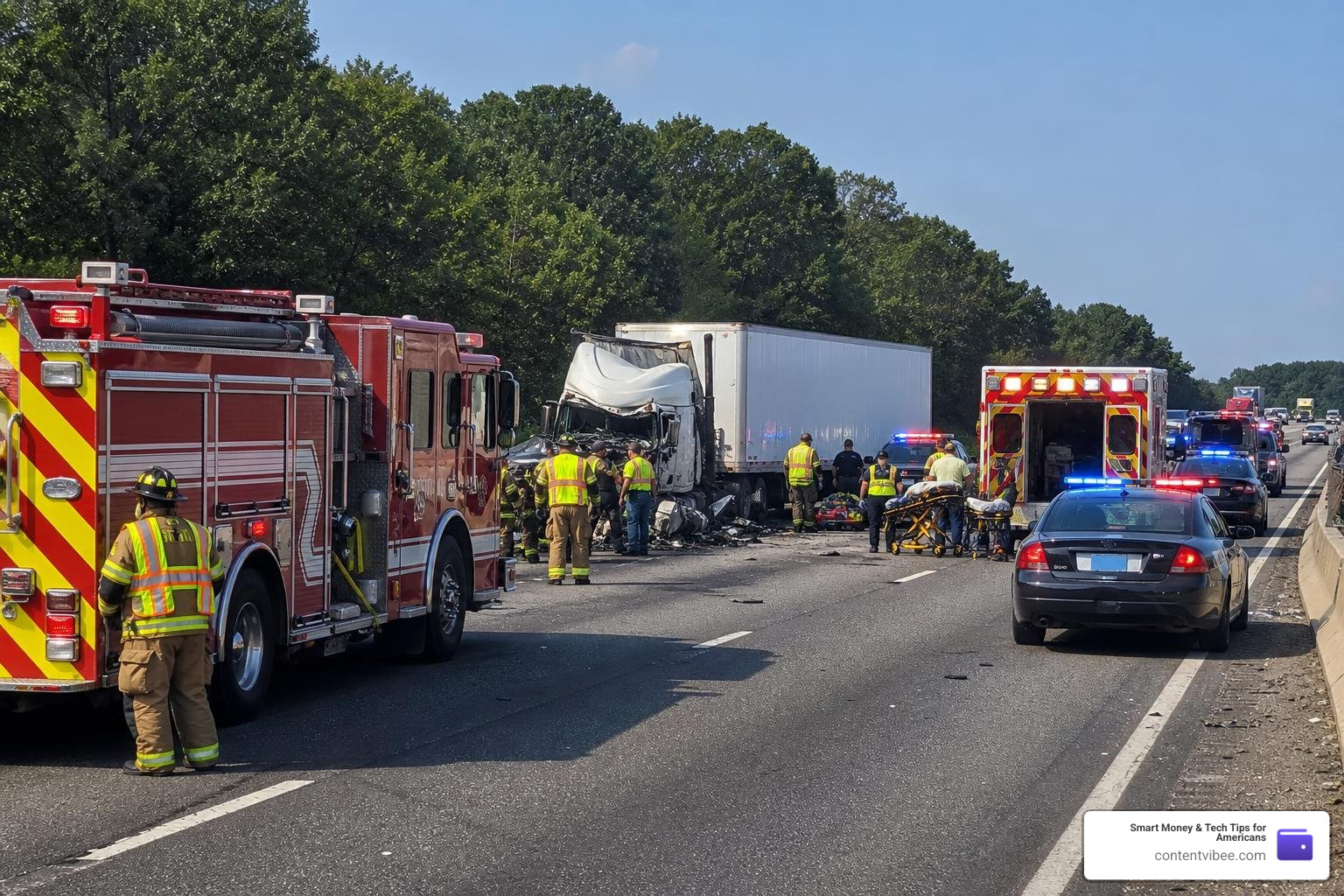
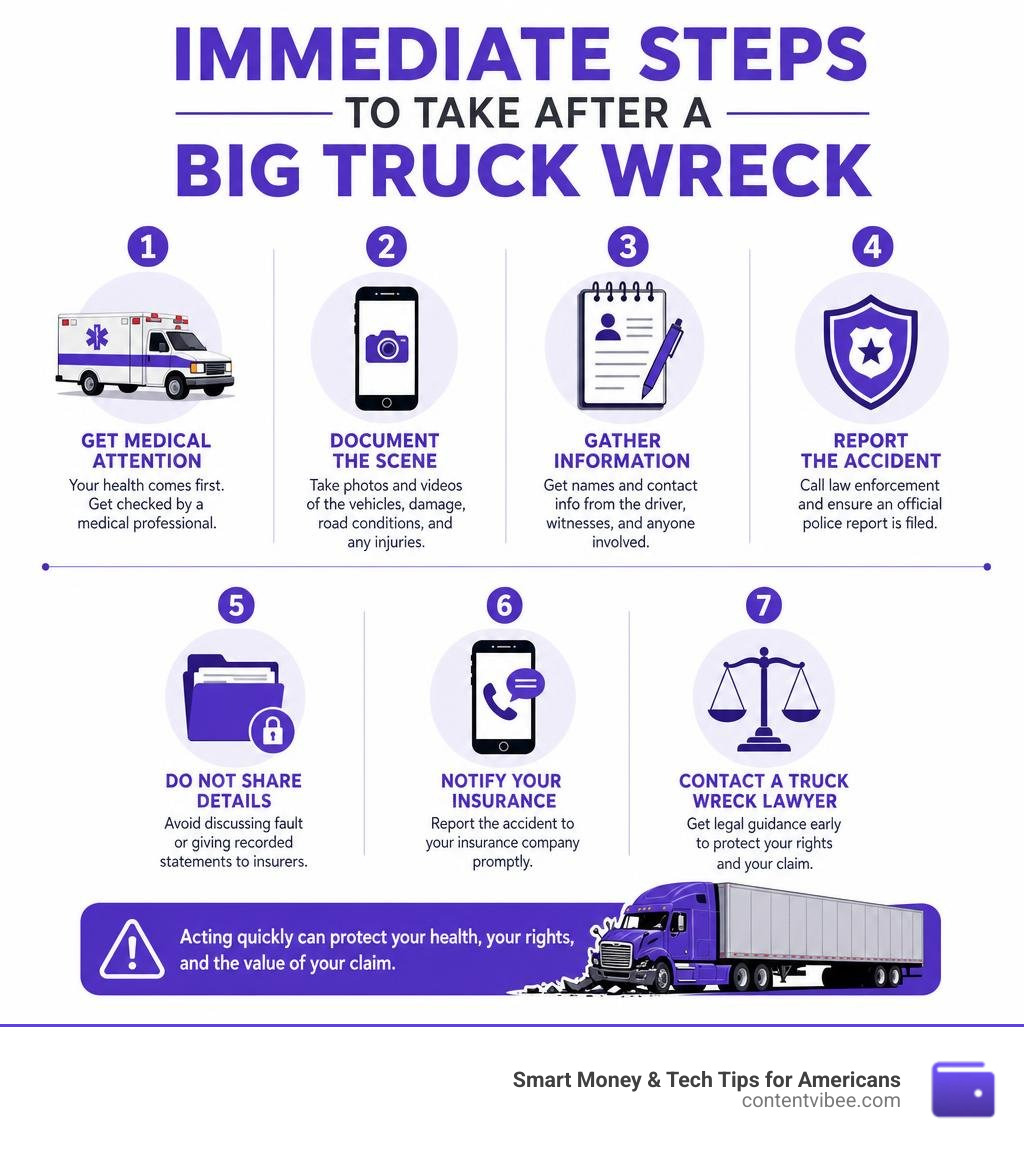
To build a strong case, you or your legal representative must take immediate steps to preserve the following evidence:
- Call 911: Ensure police and paramedics respond to the scene. The official police report is a vital piece of evidence.
- Document the Scene: If you are physically able, take photos and videos of the vehicle damage, skid marks, road conditions, and traffic signs.
- Gather Witness Information: Collect names and contact details of anyone who saw the crash.
- Seek Immediate Medical Attention: Even if you feel fine, adrenaline can mask serious injuries. Medical records created immediately after the crash establish a direct link between the accident and your physical condition.
- Secure Vehicle Black Box Data: Your attorney will demand access to the truck’s Engine Control Module (ECM) and ELD records before they are deleted or modified.
6. Insurance Adjusters Are Not on Your Side
Shortly after your accident, you will likely receive a phone call from an insurance adjuster representing the trucking company. They may sound incredibly friendly, empathetic, and eager to help you resolve your claim quickly.
Do not be fooled.
Insurance adjusters are trained professionals whose job is to save their employer money. They use several common tactics to undermine your claim:
- Requesting a Recorded Statement: They will try to get you to describe the accident in a way that shifts the blame onto you.
- Offering a Fast, Lowball Settlement: They will offer a quick payout hoping you will take it before you realize the true, long-term cost of your medical treatment.
- Delaying the Claim: They may drag out the process to pressure you into accepting a lower offer as your medical bills pile up.
The golden rule of truck accidents is simple: never speak to the trucking company’s insurer or sign any documents without consulting a lawyer first. To compare how different legal teams protect clients from these aggressive tactics, check out our truck wreck attorney top 5 compared analysis.
7. When to Hire Big Truck Wreck Lawyers for Your Case
You should contact a specialized attorney as soon as possible after your accident. Beyond the immediate need to preserve evidence, every state has a strict “statute of limitations” that dictates how long you have to file a lawsuit.
If you miss this legal deadline, you lose your right to seek compensation forever. In states like Georgia and Florida, the statute of limitations for personal injury and wrongful death claims is generally two years. In North Carolina, you typically have three years for personal injury, but only two years for wrongful death.
Because these laws vary so widely and involve strict legal exceptions, having a specialist handle your timeline is essential. For more details on state deadlines and how to choose the right representation, review the Gainesville Truck Accident Lawyers | Farah & Farah page.
Frequently Asked Questions
How long do I have to file a truck accident lawsuit?
As mentioned, the deadline to file a lawsuit (the statute of limitations) depends entirely on the state where the accident occurred. While some states allow up to three years, many strict jurisdictions limit this window to just two years from the date of the crash.
Because investigating a commercial truck wreck and building a solid legal case can take months, you should never wait until the last minute to contact an attorney. If you are dealing with a case in Texas, for example, you can read our comprehensive truck accident attorney dallas guide 2026 to understand local filing rules and deadlines.
Can I still recover damages if I was partially at fault?
Yes, in most states you can still recover compensation even if you shared some responsibility for the crash. However, the rules vary drastically depending on where the accident happened:
| Negligence System | How It Works | Example States |
|---|---|---|
| Pure Comparative Fault | You can recover damages even if you were 99% at fault, but your payout is reduced by your percentage of blame. | Florida, Louisiana |
| Modified Comparative Fault | You can recover damages only if your share of the fault is below a certain threshold (usually 50% or 51%). | Colorado, Texas, Georgia |
| Contributory Negligence | If you are even 1% at fault, you are completely barred from recovering any compensation. | North Carolina |
Navigating these complex fault rules requires an expert legal strategy. To find the best representation for your specific state’s rules, check out our guide on truck accident lawyers best for 2026.
What does it cost to hire a specialized truck accident attorney?
Reputable truck accident attorneys work on a contingency fee basis. This means:
- You pay $0 upfront to hire them.
- All initial investigation, filing, and expert witness costs are covered by the law firm.
- The attorney only gets paid if they successfully win a settlement or court verdict on your behalf.
- Their fee is a pre-agreed percentage (typically between 25% and 40%) of your final financial recovery.
This structure levels the playing field, allowing everyday citizens to hire top-tier legal representation without financial risk. To explore some of the best firms offering these risk-free consultations, see our review of truck accident lawyers 8 of the best.
Conclusion
At Smart Money & Tech Tips for Americans, we know that a sudden commercial truck crash can throw your physical health and financial stability into chaos. Protecting your family’s financial future requires swift, decisive action and the right legal allies. By hiring specialized big truck wreck lawyers, you gain the dedicated advocacy needed to take on multi-million-dollar trucking corporations and secure the full compensation you deserve.
If you are a business owner or commercial driver looking to protect your own vehicles and operations from these devastating liabilities, securing high-quality commercial coverage is your first line of defense. Learn how to safeguard your assets by reading our step-by-step guide on How to get a GEICO commercial auto insurance quote.