Choosing Your Car Accident Lawyer: Get the Compensation You Actually Deserve

When You Need a Car Accident Lawyer: What to Do First
Hiring a car accident lawyer is often the single most important step you can take after a crash u2014 especially when insurance companies push back, medical bills pile up, and lost wages put real pressure on your life.
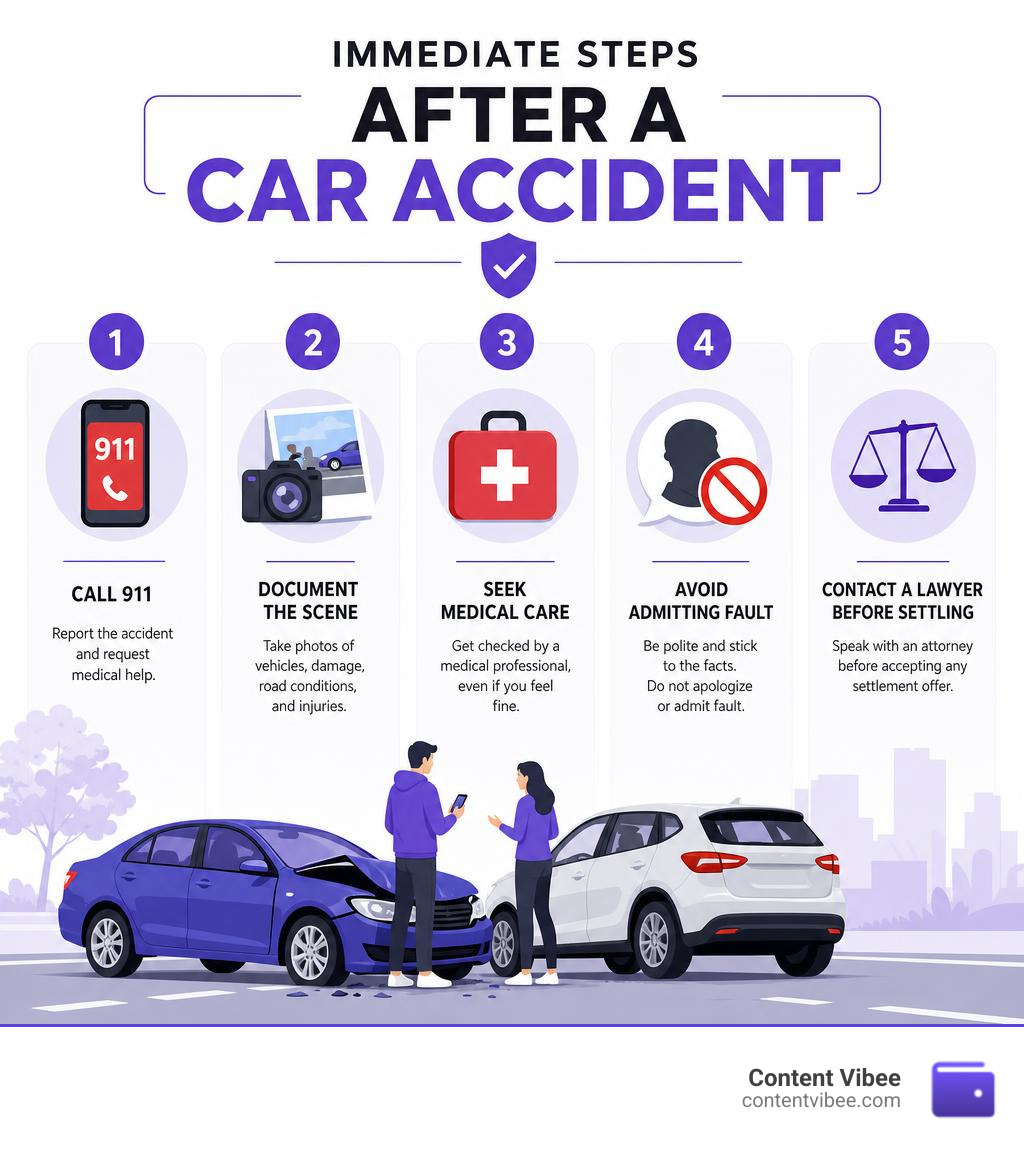
Quick answer: Here’s when to hire a car accident lawyer and what to do first:
- Seek medical attention immediately u2014 even if you feel fine. Adrenaline can mask injuries for hours or days.
- Call 911 and get a police report filed at the scene.
- Document everything u2014 photos of all vehicles, the road, damage, and any visible injuries.
- Exchange information with all drivers involved and collect witness contacts.
- Do not admit fault or apologize at the scene.
- Do not give a recorded statement to any insurance adjuster before speaking to an attorney.
- Contact a car accident lawyer before accepting any settlement offer u2014 early offers are almost always lower than what your case is worth.
Being in a crash is disorienting. One moment everything is normal, the next you’re dealing with a damaged car, a sore neck, and an insurance adjuster calling your phone.
Here’s the hard truth: insurance companies are not on your side. Their goal is to settle your claim as cheaply and quickly as possible. According to data from multiple personal injury cases, attorneys routinely turn five-figure initial offers into six- and seven-figure settlements for their clients.
The difference between handling a claim alone and having experienced legal representation can be enormous u2014 both in the final dollar amount and in the stress you carry along the way.
This guide walks you through everything you need to know: the most common crash types, how state laws affect your claim, what your injuries are actually worth, and how to choose the right attorney to fight for you.
Common Causes and Types of Crashes Handled by a Car Accident Lawyer
Car crashes are incredibly unpredictable, but they generally stem from a few common, negligent behaviors. When we represent victims, we see how quickly a simple mistake on the road can alter someone’s life forever.
Distracted driving remains one of the single greatest hazards on modern roads. According to federal safety data, every day, at least nine people are killed in the U.S. by a distracted driver. To put this in perspective, taking your eyes off the road for just 5 seconds while driving 55 mph is the equivalent of driving the entire length of a football field completely blindfolded. The rise of smartphones and advanced in-car infotainment systems has only worsened this crisis. For instance, in 2024, Missouri saw a staggering 30% increase in distracted driving crashes, resulting in 106 statewide deaths.
Beyond distracted driving, a car accident lawyer frequently handles cases involving:
- Reckless Driving: Speeding, tailgating, and ignoring traffic signals are major contributors to severe crashes. In major metropolitan areas, reckless driving is responsible for a massive percentage of traffic fatalities.
- Rear-End Collisions: Often dismissed as simple “fender-benders,” these accidents can cause serious, long-term neck and back issues.
- Hit-and-Run Accidents: When a driver flees the scene, identifying them requires diligent work, often involving red-light cameras, surveillance footage, and witness accounts.
- Drunk or Drugged Driving: Driving under the influence completely destroys a driver’s reaction time and judgment, leading to catastrophic high-impact collisions.
Whether you are dealing with a minor rear-end collision or a multi-vehicle pileup, understanding your options is vital. For a deeper look at how legal representation can secure your recovery, read more about how Bakersfield Car Accident Lawyer specialists navigate complex local crashes, or explore our detailed breakdown on How an Auto Accident Lawyer Can Help You.
Understanding Liability in Multi-Vehicle and Intersection Wrecks
Determining who is at fault in a multi-vehicle pileup or a complex intersection collision is rarely straightforward. Insurance companies will quickly try to shift the blame to avoid paying out claims.
Fault determination relies heavily on physical evidence, police reports, and traffic laws. For example, some states have specific legal presumptionsu2014such as assuming the rear driver is always at fault in a rear-end collision unless proven otherwise. However, in intersection wrecks, liability often hinges on proving who had the right-of-way, who ran a red light, or who made an unsafe lane departure.
Lane departures are incredibly dangerous; in fact, statistics show that lane departures account for nearly 69% of all multi-vehicle crashes in certain regions. When multiple vehicles are involved, states apply various rules of comparative negligence. This means that even if you were partially at fault for the crash, you may still be allowed to recover damages, though your compensation will be reduced by your percentage of fault.
Because insurance adjusters use comparative negligence rules to systematically chip away at your settlement, having a dedicated advocate is essential. You can learn more about how fault is aggressively established in these scenarios by visiting Kansas City Car Accident Lawyer.
Navigating State Car Accident Laws and Insurance Systems
The legal rules governing your car accident claim depend heavily on where your crash took place. The United States is divided into two primary types of insurance systems: no-fault states and traditional tort (fault-based) states.
In a no-fault insurance state, your own insurance policyu2019s Personal Injury Protection (PIP) covers your medical bills and lost income up to a certain limit, regardless of who caused the accident. In these states, you cannot sue the other driver for non-economic damages (like pain and suffering) unless your injuries meet a specific “serious injury threshold.” This threshold typically requires proving that the crash resulted in permanent disfigurement, fracture, loss of a bodily function, or an inability to perform daily activities for a set period.
In contrast, fault-based states allow you to pursue the negligent driveru2019s insurance company directly for all your economic and non-economic losses from day one.
Additionally, every state enforces a strict deadline for filing a lawsuit, known as the statute of limitations. For most personal injury claims, this window ranges from two to four years from the date of the crash. If you miss this deadline, you lose your right to seek compensation forever.
Navigating these differences requires localized legal expertise. For example, understanding how rules differ across the country is made simple with the help of a California Car Accident Lawyer, and you can map out your legal journey using our comprehensive Step-by-Step Guide to Car Claim Lawyer.
How a Car Accident Lawyer Evaluates Your Injuries and Damages
When we evaluate a car accident claim, we look far beyond your immediate medical bills. Severe crashes often cause injuries that require a lifetime of care, and your settlement must reflect those long-term realities.
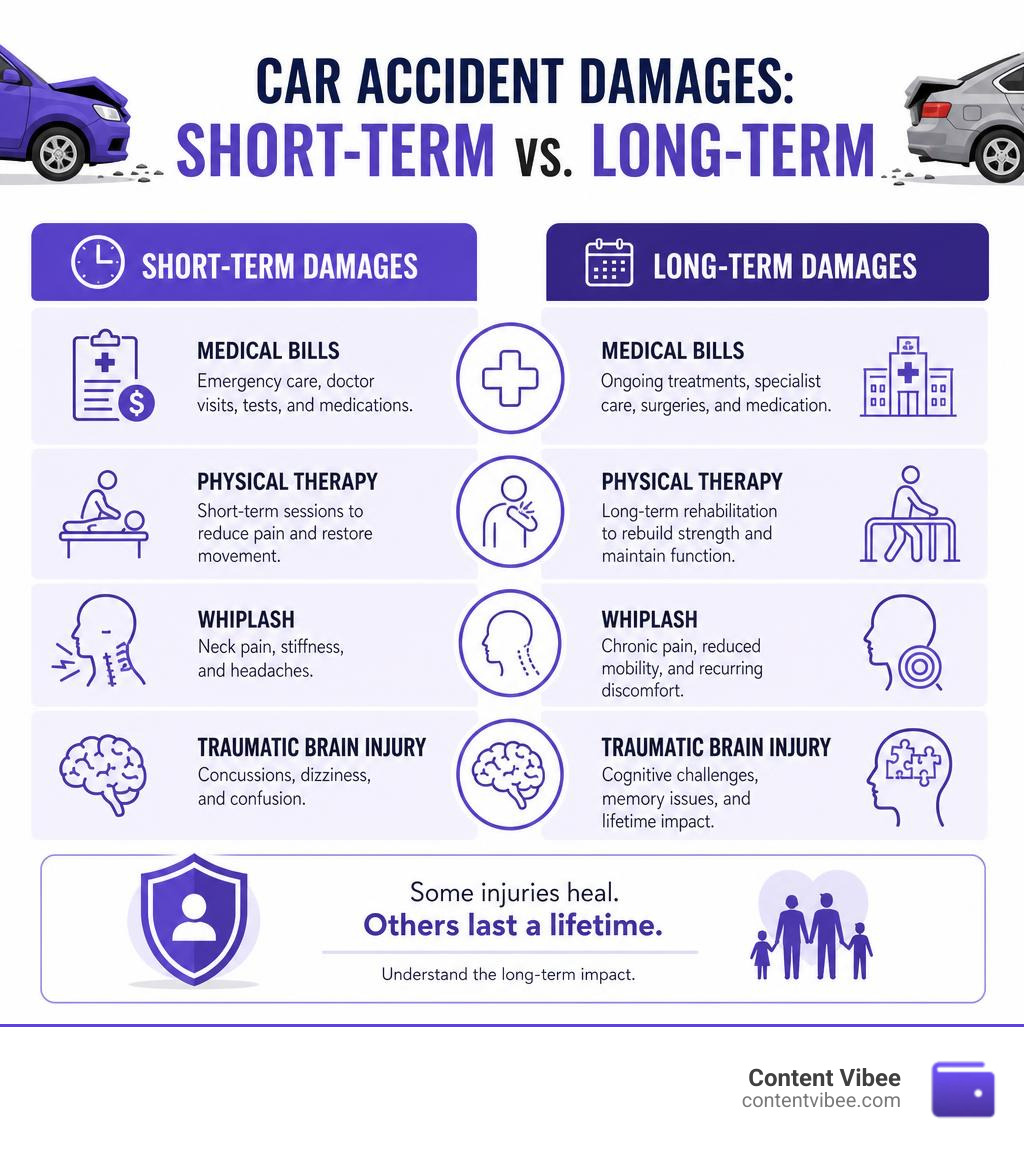
Common car accident injuries include:
- Whiplash and Soft-Tissue Damage: Extremely common in rear-end collisions, whiplash can cause chronic pain and require months of physical therapy.
- Traumatic Brain Injuries (TBI): Ranging from mild concussions to severe cognitive impairment, TBIs can permanently alter your ability to work and enjoy life.
- Spinal Cord Damage: Herniated discs, fractured vertebrae, and paralysis require extensive surgeries and long-term rehabilitation.
To calculate the true value of your claim, we divide your damages into two primary categories:
- Economic Damages: These are objective, calculable financial losses. They include emergency room bills, ongoing doctor visits, physical therapy, medication, property damage, and lost wages (including future lost earning capacity).
- Non-Economic Losses: These are subjective, non-monetary losses. They include physical pain and suffering, emotional distress, loss of enjoyment of life, and loss of consortium.
Calculating these numbers accurately is a complex science. To get a clearer picture of what your specific case might be worth, check out our AZ Guide to How Much Is My Car Accident Settlement Worth.
What to Do After a Crash: Protecting Your Health and Claim
The moments immediately following a car crash are chaotic, but the actions you take can make or break your future legal claim. To protect both your physical health and your right to fair compensation, we advise following these critical steps:
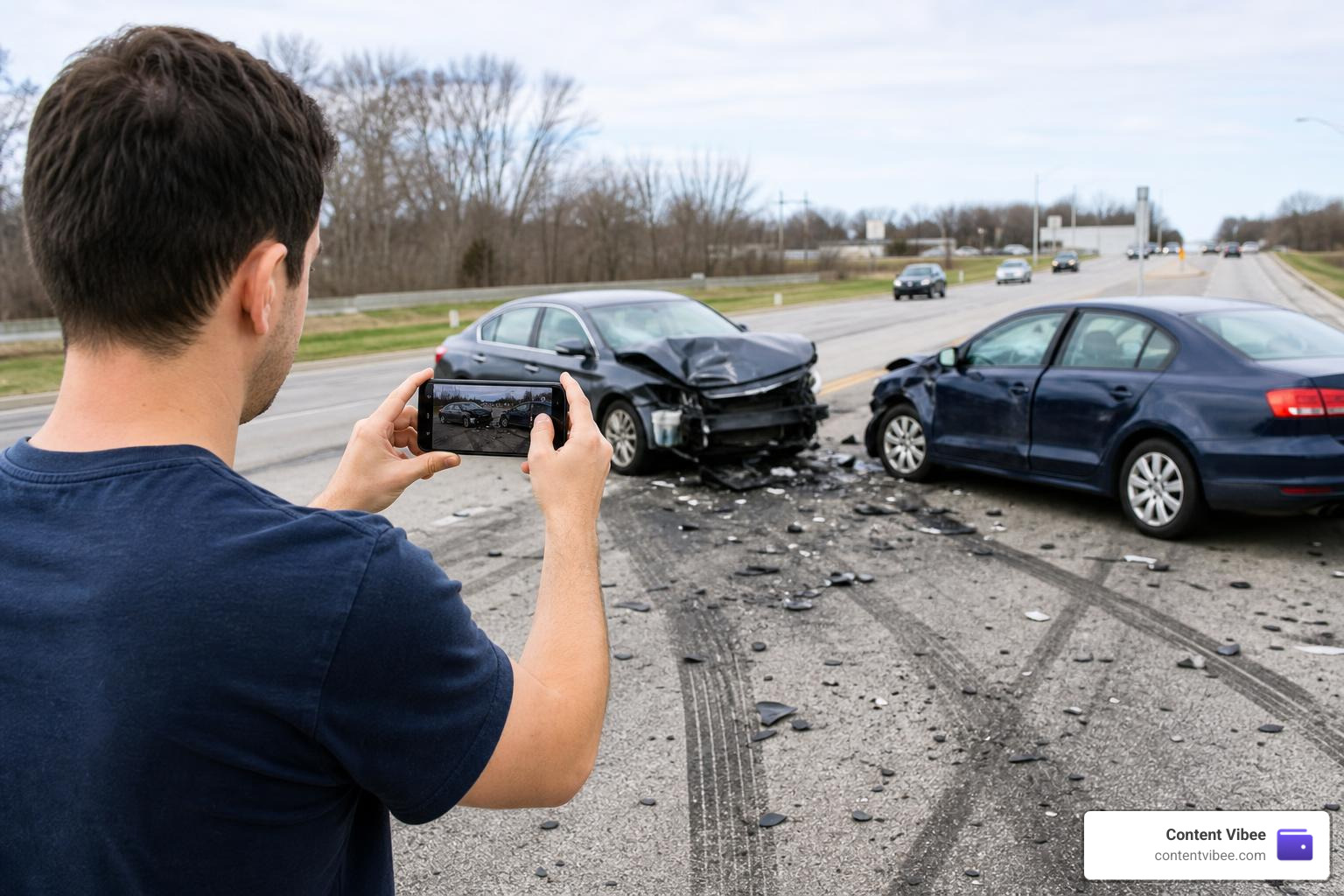
- Prioritize Medical Evaluation: Even if you believe you only have minor bruises, seek a professional medical evaluation immediately. Adrenaline frequently masks serious internal injuries, whiplash, and concussions. Furthermore, insurance companies will use any delay in seeking medical care as “proof” that your injuries were not caused by the accident.
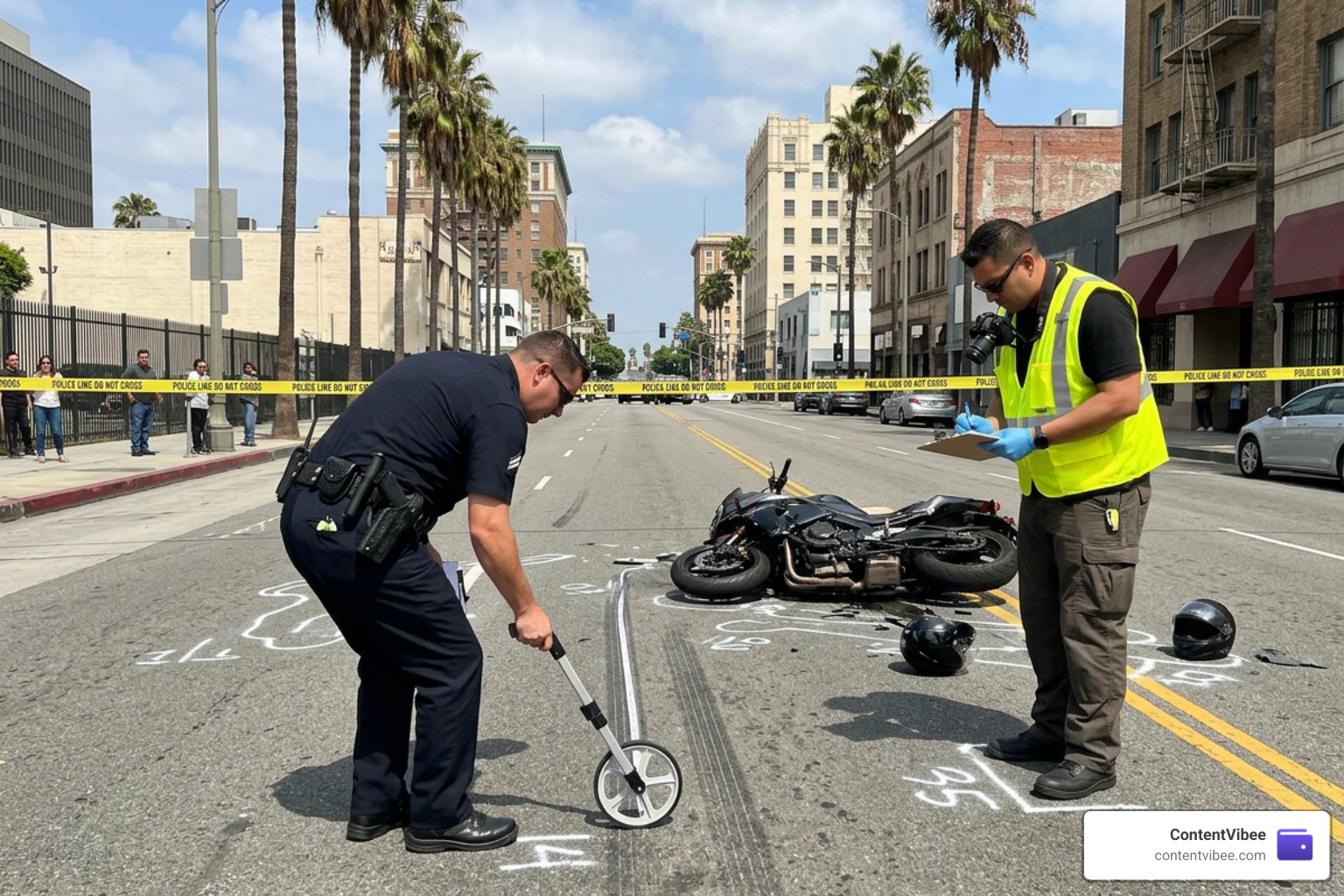
- Preserve Evidence at the Scene: If it is safe to do so, take high-quality photos and videos of the vehicles, their positioning, skid marks, road hazards, and your visible injuries.
- Obtain Police Reports: Always call law enforcement to the scene. The official police report provides an objective third-party account of the accident and often includes the officer’s preliminary determination of fault.
- Gather Witness Statements: Collect the names, phone numbers, and addresses of any bystanders who saw the crash occur. Their unbiased testimony can be invaluable if the other driver tries to lie about what happened.
By systematically gathering this information, you lay a solid foundation for your legal team. To understand how this evidence is used to build a bulletproof case, read about How a Serious Car Accident Attorney Can Help.
Critical Mistakes to Avoid When Dealing with Insurance Adjusters
After a crash, the other driver’s insurance adjuster will likely call you very quickly. They may sound friendly, warm, and deeply concerned about your well-being. Do not be fooled: their primary job is to settle your claim for as little money as possible.
To protect your claim, avoid these common insurance pitfalls:
- Never Admit Fault or Apologize: Even a polite “I’m so sorry” at the scene can be twisted by insurance companies into an admission of liability. Stick strictly to the facts.
- Refuse Recorded Statements: Insurance adjusters are highly trained to ask leading questions designed to get you to minimize your injuries or admit partial blame on the record. Politely decline and tell them your attorney will handle all statements.
- Reject Early Settlements: Insurance companies love to offer quick cash settlements within days of a crash. These offers are almost always “lowball” numbers designed to get you to sign away your right to sue before you even know the full extent of your medical needs.
- Avoid Social Media Pitfalls: Do not post about your accident, your injuries, or your recovery on social media. Insurance defense teams routinely monitor victims’ public profiles looking for photos or status updates that they can use to claim you aren’t as injured as you say you are.
Navigating these stressful interactions is much easier when you have a professional shield between you and the insurance company. Learn more about how experienced legal representation handles these aggressive tactics by visiting Houston Car Accident Lawyer | Calderon Law Firm.
The Financial Impact: Resolving Claims With vs. Without Legal Representation
Many victims wonder if hiring an attorney is worth it, or if they would save more money by handling the insurance claim on their own. The reality is that insurance companies take unrepresented claimants far less seriously. When an experienced car accident lawyer gets involved, insurers know that the threat of a lawsuit is real, which completely changes their negotiation strategy.
The table below illustrates the stark differences between handling a claim independently versus securing dedicated legal representation:
| Aspect of the Claim | Handling It Without an Attorney | Handling It With a Car Accident Lawyer |
|---|---|---|
| Initial Settlement Offers | Usually minimal; designed to cover basic property damage and immediate ER visits. | Rejected immediately; negotiations start based on the true, long-term value of your case. |
| Evidence Collection | Limited to what you can gather on your own (basic photos, basic police report). | Comprehensive (accident reconstruction, expert medical testimony, black box data). |
| Insurance Company Tactics | Adjusters may delay, deny, or pressure you into accepting a lowball settlement. | Adjusters are forced to communicate professionally and negotiate in good faith. |
| Stress and Admin Work | You must handle all phone calls, paperwork, medical billing disputes, and deadlines. | Your legal team handles 100% of the administrative burden while you focus on healing. |
| Final Compensation | Significantly lower on average, often failing to cover future medical needs. | Maximized recovery, frequently resulting in settlements that are multiple times higher. |
While some fear that legal fees will eat up their entire recovery, the reality is that personal injury lawyers operate on a system that keeps their incentives perfectly aligned with yours. You can explore the details of these financial arrangements in our guide on How Much Do Lawyers Charge for Accident Claims?.
Key Questions to Ask a Car Accident Lawyer Before Hiring
Not all law firms are created equal. When searching for the right professional to handle your case, you should interview potential candidates to ensure they have the resources, experience, and dedication required to win.
We recommend asking these key questions during your initial consultation:
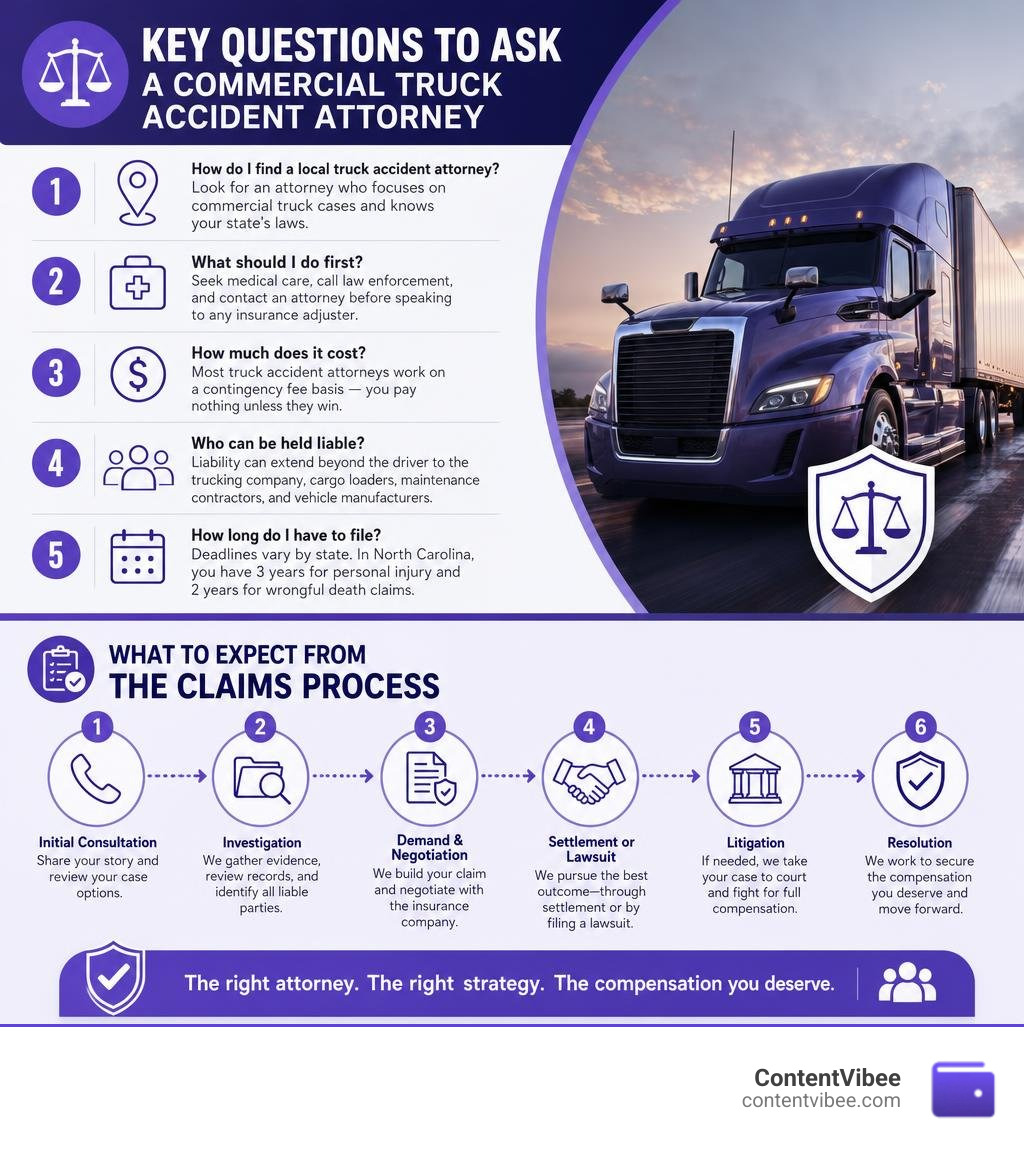
- Do you work on a contingency fee basis? (You should verify that you will owe no upfront fees and will pay nothing unless they win your case).
- What is your trial experience? (Some firms are “settlement mills” that avoid court at all costs. You want an attorney who is fully prepared to go to trial if the insurance company refuses to offer a fair deal).
- How will we communicate, and how often will I get updates? (Ensure you will have direct access to your legal team, rather than being passed off entirely to assistants).
- What is your estimated timeline for resolving my case? (While no one can predict the exact day a case will settle, an experienced attorney can give you a realistic roadmap based on your injuries and local court schedules).
Before making your final choice, make sure you review our complete list of 4 Questions to Ask Before Hiring a Car Wreck Attorney to ensure no critical detail is overlooked.
Frequently Asked Questions About Auto Accident Claims
How long do I have to file a car accident lawsuit?
The timeframe you have to file a lawsuit is determined by your state’s statute of limitations. For most personal injury claims, this deadline is between two and four years from the date of the crash. However, certain factorsu2014such as accidents involving government vehiclesu2014can shorten this window to as little as a few months. To learn more about how these strict deadlines are applied, read more about the guidance offered by a Pembroke Pines Car Accident Lawyer.
What if I am partially at fault for the accident?
You can still recover compensation in most states even if you were partially at fault for the crash. Under comparative negligence laws, your final compensation will simply be reduced by your percentage of fault. For example, if your damages total $100,000 but you are found to be 20% at fault, you will receive $80,000. To see how local lawyers protect clients from unfair blame, check out the resources from a Pinellas Park Car Accident Lawyer.
How much does it cost to hire an injury attorney?
Almost all reputable personal injury attorneys operate on a contingency fee model. This means there are absolutely no upfront, out-of-pocket costs for you. The attorney’s fees are paid as a percentage (typically around 33% to 40%) of the final settlement or court verdict they win for you. If they do not win your case, you do not owe them any legal fees. For a detailed breakdown of how this fee structure protects victims, read our article on How Much Does a Personal Injury Lawyer Charge.
Conclusion
At Content Vibee, we believe that navigating the aftermath of a car crash shouldn’t feel like a second accident. The physical pain, emotional stress, and financial burden of medical bills can easily become overwhelming, but you do not have to carry that weight alone.
By partnering with an experienced car accident lawyer, you protect your legal rights, shield yourself from aggressive insurance tactics, and position yourself to secure the maximum compensation you actually deserve.
If you or a loved one are ready to take the next step toward financial and physical recovery, we are here to help guide the way. Explore our expert tips and learn How to Find a Good Car Accident Lawyer today so you can focus on what matters most: your healing.