How a Pedestrian Accident Lawyer Can Help You
When You’re Hit as a Pedestrian, Here’s What You Need to Know
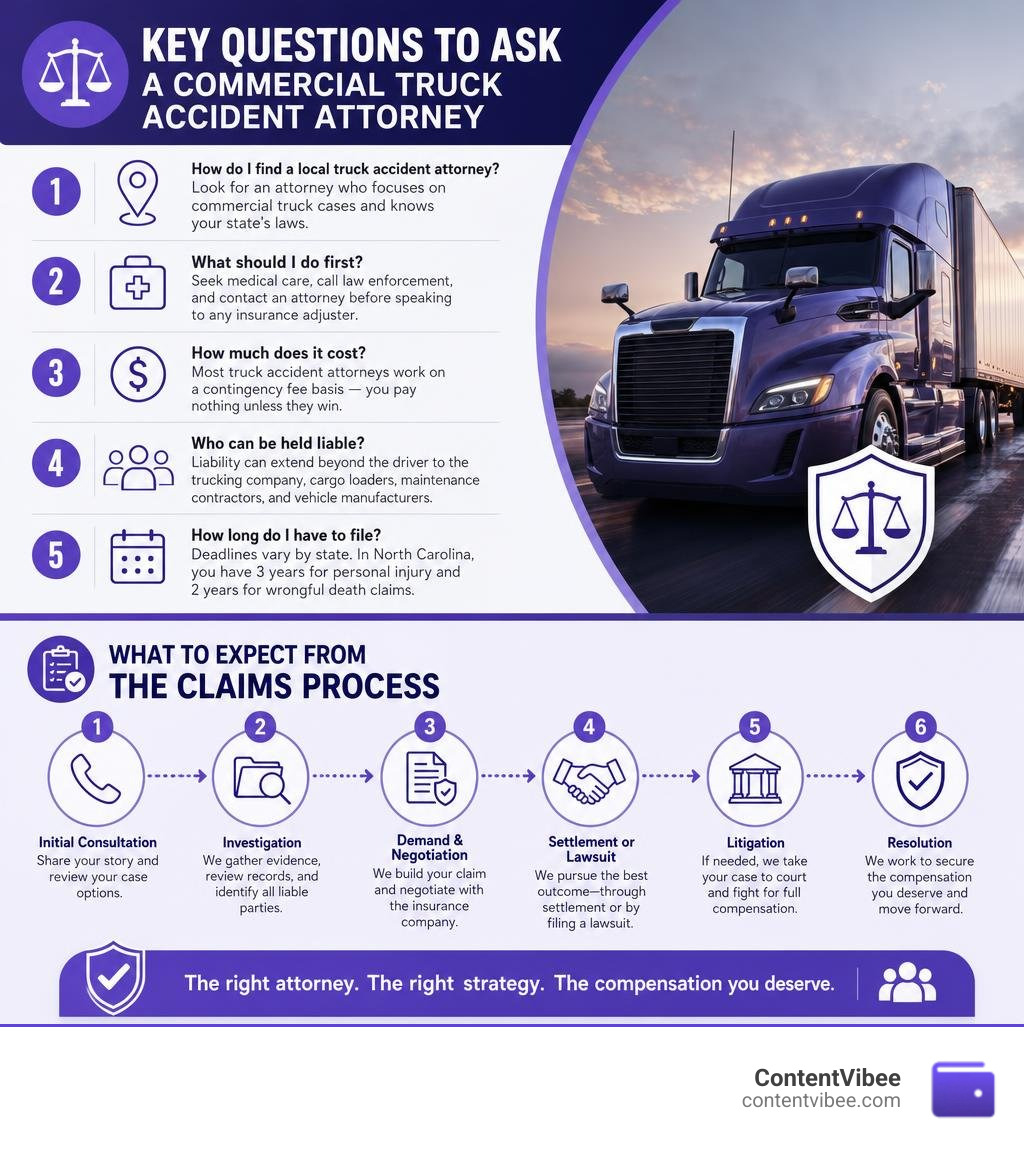
A pedestrian accident lawyer is a personal injury attorney who helps people injured by vehicles get fair compensation u2014 covering medical bills, lost wages, and pain and suffering.
Quick answer for accident victims:
- You likely have a valid claim if a driver’s negligence caused your injuries
- Most lawyers work on contingency u2014 no upfront cost, no fee unless you win
- You typically have 2 years to file a lawsuit (varies by state)
- Compensation can cover medical bills, lost wages, and pain and suffering
- Most cases settle out of court without going to trial
Pedestrian accidents are devastating. Unlike car occupants, you have zero protection when a vehicle strikes you u2014 no seatbelt, no airbag, no steel frame around you.
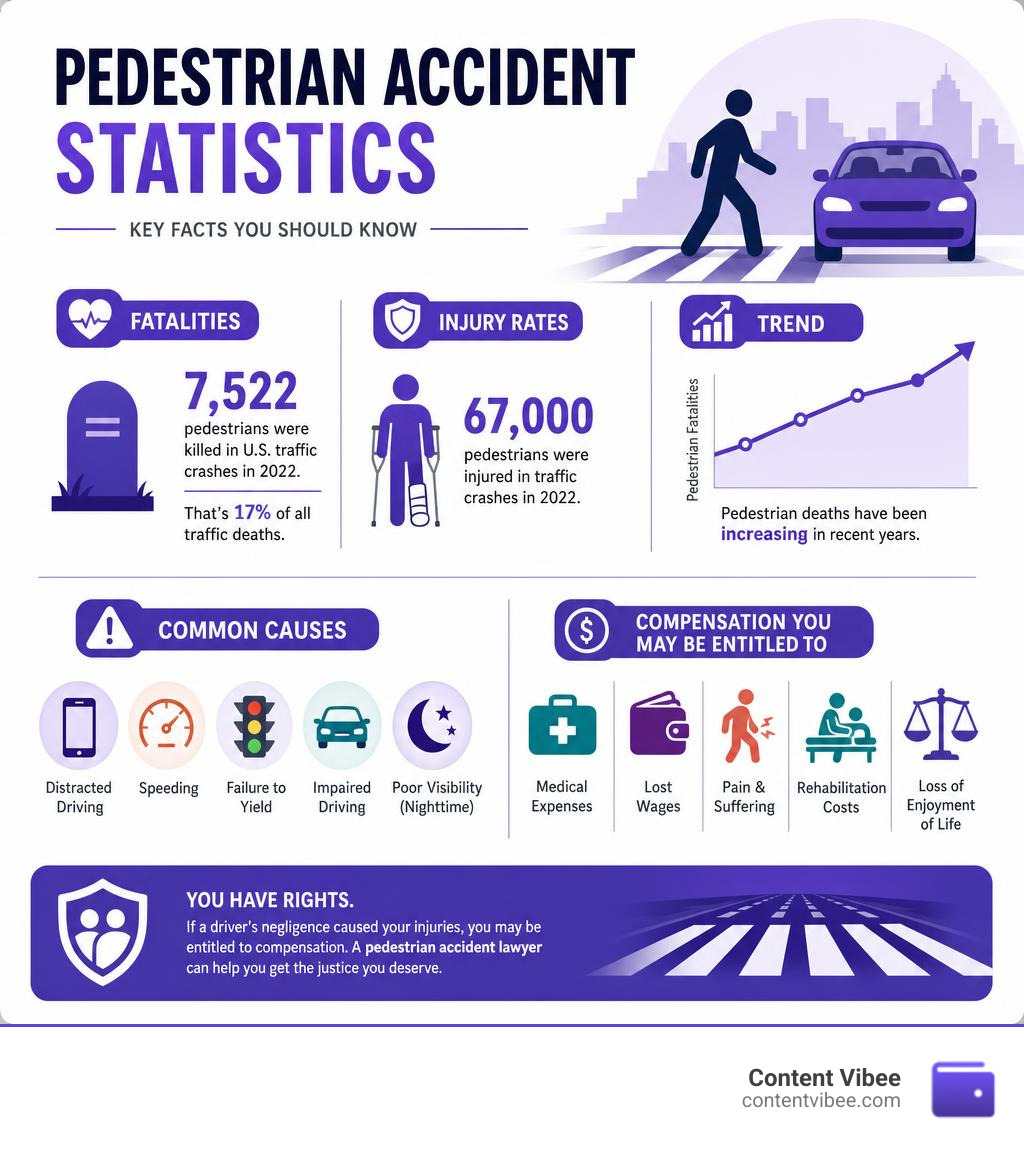
The numbers back this up. In 2022, 7,522 pedestrians were killed in U.S. traffic crashes u2014 that’s 17% of all traffic deaths. Another 67,000 were injured. And the trend has been moving in the wrong direction.
If you’re reading this, you’re probably dealing with real pain right now. Medical bills are piling up. You may have missed work. And the insurance company is already calling with questions u2014 or a lowball offer.
You don’t have to figure this out alone.
Pedestrian accident lawyer terms to know:
What to Do Immediately After a Pedestrian Accident
The moments following a pedestrian collision are chaotic, terrifying, and overwhelming. However, the steps you take in the immediate aftermath can heavily influence both your physical recovery and your eventual legal claim. If you or a loved one has been struck by a vehicle, here is what you need to do right away:
1. Prioritize Your Health and Safety
First and foremost, move to a safe location if you are physically able to do so. If you are severely injured, do not attempt to move; wait for emergency responders. Call 911 immediately or ask a bystander to do so. Even if you believe your injuries are minor, you must be evaluated by medical professionals. Adrenaline can mask severe internal trauma, soft-tissue damage, and traumatic brain injuries (TBIs). Having an official medical record created on the day of the crash is crucial for your case.
2. Contact the Police and Ensure a Report is Filed
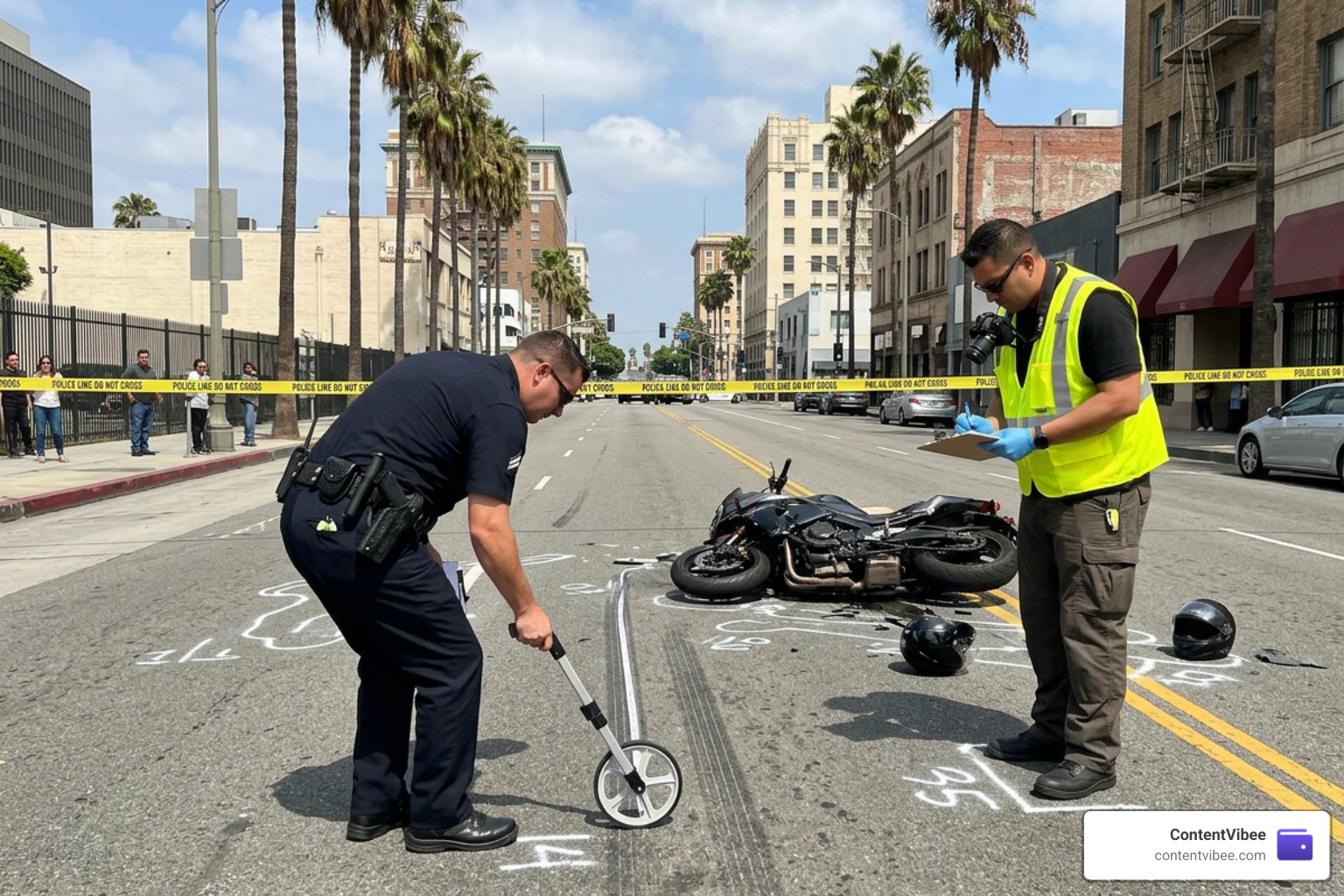
Do not let a driver convince you to “settle things privately” without involving the police. When law enforcement arrives, explain exactly what happened. The officer will create an official police report, which serves as a foundational piece of evidence. Make sure to note the officer’s name, badge number, and the report number.
3. Document the Scene Thoroughly
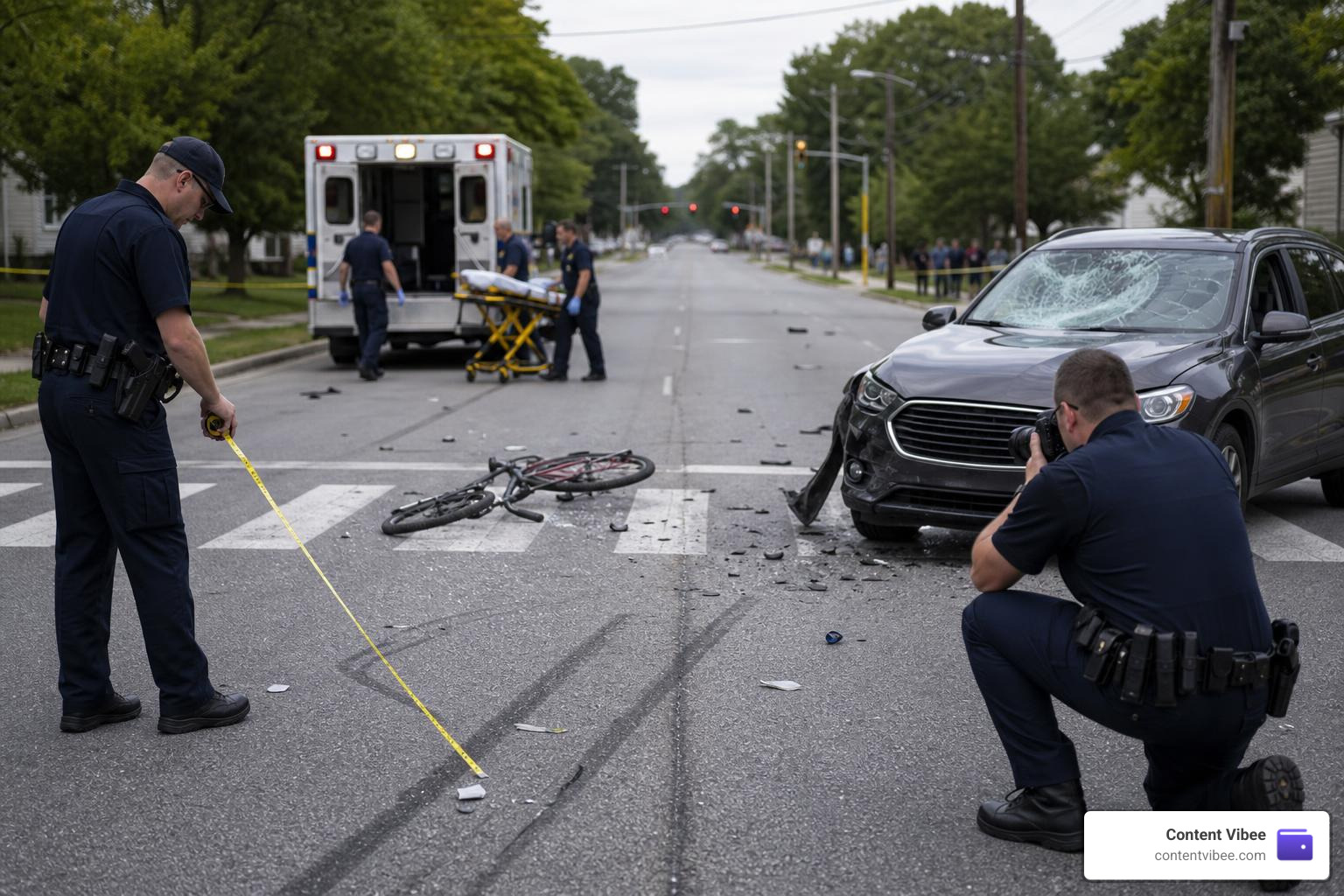
If you are physically capable, or if you have a companion with you, capture as much photographic and video evidence as possible. Take pictures of:
- The vehicle that hit you (including its license plate, make, model, and any visible damage).
- The surrounding area, including the crosswalk, traffic signals, stop signs, and any skid marks on the road.
- The weather conditions, lighting, and any obstructions to visibility.
- Your physical injuries and any torn clothing or damaged personal items.
4. Exchange Information
Collect the driver’s full name, phone number, physical address, driver’s license number, and auto insurance details. If the vehicle is a commercial truck or delivery van, note the company name on the vehicle.
5. Gather Witness Contact Details
Bystanders often provide the most unbiased accounts of what occurred. Speak to anyone who saw the collision and ask for their names and phone numbers. Your attorney can reach out to them later to secure official statements.
6. Avoid Discussing the Accident with Insurance Adjusters
The driver’s insurance company will likely contact you quickly, sometimes within 24 to 48 hours, hoping to get a recorded statement or offer a quick, low settlement. Politely decline to discuss the incident or sign any documents until you have consulted a legal professional.
For a comprehensive breakdown of these immediate steps and how to protect your rights from day one, check out this guide on Pedestrian Accident Attorney: 3 Crucial Steps.
How Liability is Determined in Pedestrian Accident Cases
Determining who is at fault in a pedestrian crash is rarely as simple as pointing a finger. Insurance companies will dissect the incident to see if they can shift the blame onto you to reduce their payout. To successfully recover compensation through a personal injury claim, we must establish that the driver owed you a duty of care, breached that duty, and directly caused your injuries.
The Duty of Care and Negligence
All drivers owe a high duty of care to everyone else on the road, especially vulnerable pedestrians. Negligence occurs when a driver fails to act with the level of care that a reasonably prudent person would exercise under similar circumstances. Examples of driver negligence include:
- Distracted driving (texting, looking at a GPS, or adjusting the radio).
- Driving under the influence of alcohol or drugs.
- Speeding or failing to adjust speed for poor weather and road conditions.
- Failing to yield the right-of-way at marked or unmarked crosswalks.
- Running red lights or stop signs.
Pedestrian Duties and Comparative Fault
While drivers bear a heavy burden of safety, pedestrians also have legal duties. You are expected to obey traffic signals, use crosswalks when available, and avoid stepping into the path of an oncoming vehicle when it is physically impossible for the driver to stop in time.
If both the driver and the pedestrian share some portion of the blame, the legal concept of comparative negligence applies. How this affects your payout depends on your state’s laws:
- Pure Comparative Negligence: You can recover damages even if you were 99% at fault, but your financial recovery is reduced by your percentage of blame. (For example, if your damages are $100,000 and you are found 20% at fault, you receive $80,000).
- Modified Comparative Negligence: You can only recover damages if your share of the fault is below a certain thresholdu2014usually 50% or 51%. If you cross that threshold, you are barred from recovering anything.
| Driver Duties | Pedestrian Duties |
|---|---|
| Yield the right-of-way in marked and unmarked crosswalks | Obey pedestrian traffic control signals (e.g., “Walk/Don’t Walk”) |
| Exercise extreme caution near school zones, parks, and buses | Use designated crosswalks when crossing busy streets |
| Maintain a safe speed matching weather and visibility conditions | Avoid suddenly stepping off a curb into oncoming traffic |
| Keep a proper lookout and avoid distractions | Do not walk along highways or active roadways while heavily impaired |
Other Liable Parties
In some cases, liability goes beyond the individual driver. Your attorney may identify other negligent parties, such as:
- Government Entities: If a poorly designed intersection, malfunctioning traffic light, missing crosswalk paint, or lack of proper street lighting caused the crash, you might have a claim against the city or state municipality.
- Vehicle Manufacturers: If mechanical failure (like brake failure or a steering defect) caused the vehicle to strike you, the manufacturer could be held liable.
Why You Need a Pedestrian Accident Lawyer
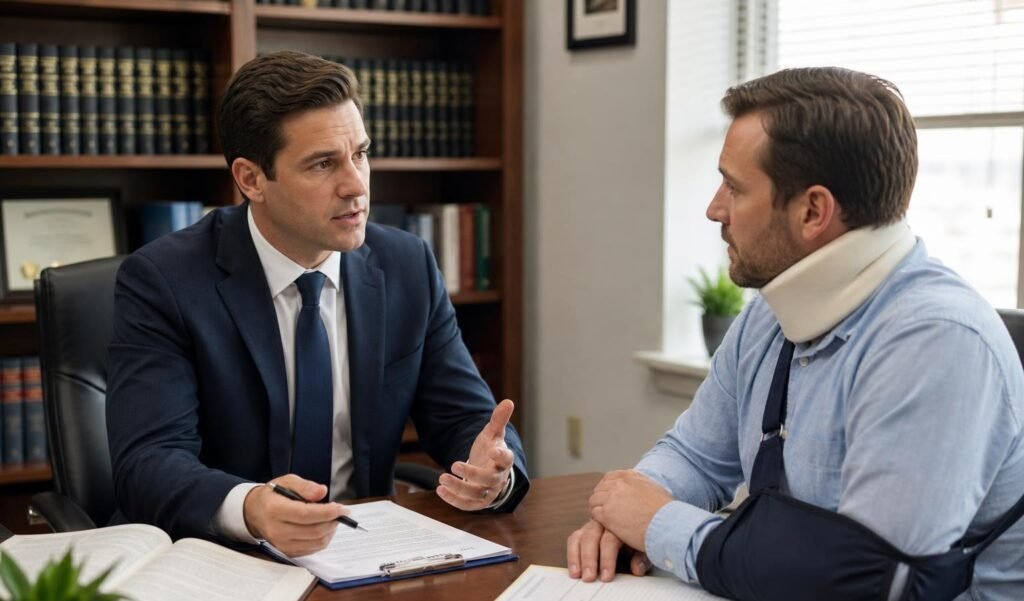
Many victims wonder if they can handle their claims independently to save on legal fees. While you are legally permitted to represent yourself, doing so often puts you at a severe disadvantage against multi-billion-dollar insurance corporations.

Here is how a dedicated pedestrian accident lawyer levels the playing field and builds a rock-solid case on your behalf:
1. Countering Aggressive Insurance Tactics
Insurance adjusters are trained professionals whose primary goal is to save their employers money. They may use friendly conversations to get you to admit partial fault, downplay the severity of your pain, or pressure you into accepting a fast, lowball settlement before the full scope of your medical needs is known. Once you sign a settlement agreement, you waive your right to ask for more moneyu2014even if you discover you need surgery down the road. An attorney will handle all communications, shield you from these high-pressure tactics, and negotiate a fair deal.
2. Conducting a Comprehensive Investigation
To win your claim, we must gather compelling evidence. A skilled attorney will:
- Obtain and analyze local traffic camera footage, commercial security video, and residential doorbell camera recordings.
- Subpoena the driver’s cell phone records to prove they were texting or distracted at the moment of impact.
- Pull black box data (Event Data Recorders) from the striking vehicle to determine its speed and braking actions.
- Hire accident reconstruction experts to scientifically demonstrate how the crash occurred.
3. Calculating the True Value of Your Claim
Evaluating a claim involves far more than just adding up your current hospital bills. A lawyer will collaborate with medical experts, economists, and vocational specialists to calculate your future rehabilitation costs, potential loss of earning capacity, and the profound psychological impact of your injuries.
If you want to understand the exact mechanisms of how a legal team works to protect your interests, read more about how a pedestrian accident lawyer can help after a crash and learn the top strategies on How a Pedestrian Accident Attorney Builds a Strong Case.
Understanding Damages and Compensation
The injuries sustained in a pedestrian crash are frequently life-altering. Broken bones, spinal cord damage, internal organ injuries, and traumatic brain trauma can require months or years of intensive treatment.
To help you rebuild your life, the civil legal system allows you to seek financial compensation, known as “damages.” These damages are divided into three primary categories:
Economic Damages (Objective Financial Losses)
These are the direct, out-of-pocket expenses resulting from your accident. They are easily quantifiable using invoices, bills, and receipts:
- Medical Expenses: Emergency room visits, surgeries, hospital stays, prescription medications, diagnostic imaging (MRIs, X-rays), and ongoing physical therapy.
- Future Medical Care: Estimates for future surgeries, home modifications (such as wheelchair ramps), and long-term nursing assistance.
- Lost Wages: Income lost while you are recovering and unable to perform your job.
- Loss of Earning Capacity: If your injuries result in permanent disability that prevents you from returning to your previous career, you can claim the lifetime income you would have otherwise earned.
Non-Economic Damages (Subjective Personal Losses)
These represent the intangible, non-monetary losses that deeply affect your quality of life. While harder to quantify, they are often the most significant part of a claim:
- Pain and Suffering: The physical pain and discomfort you endure daily.
- Emotional Distress: Anxiety, depression, post-traumatic stress disorder (PTSD), and sleep disturbances triggered by the trauma of the crash.
- Loss of Enjoyment of Life: The inability to participate in hobbies, sports, and daily activities you loved before the accident.
- Loss of Consortium: The negative impact of the injuries on your relationship with your spouse or family members.
Punitive Damages
In rare cases where the driver’s behavior was exceptionally reckless or malicious (such as street racing or driving with extreme intoxication), a court may award punitive damages. These are not meant to compensate you for a specific loss, but rather to punish the wrongdoer and deter others from acting similarly.
To get an initial estimate of what your claim might be worth based on your medical bills and lost wages, you can utilize our online personal injury settlement calculator.
The Cost of Hiring a Pedestrian Accident Lawyer
One of the biggest barriers preventing injured pedestrians from seeking legal help is the fear of high legal bills. You might picture expensive hourly rates and massive retainers.
Fortunately, personal injury law operates on an entirely different, victim-friendly model.
How Much Does a Pedestrian Accident Lawyer Cost?
Most pedestrian accident attorneys work on a contingency fee basis. This means:
- Zero Upfront Costs: You do not pay anything to hire the lawyer or get your case started.
- No Out-of-Pocket Expenses: The law firm covers all administrative costs associated with building your case (such as ordering medical records, hiring experts, and paying filing fees).
- No Win, No Fee: If your lawyer does not successfully recover compensation for you through a settlement or court verdict, you owe them absolutely nothing for their time.
If your lawyer successfully wins your case, their fee is paid as a pre-agreed percentage of your total settlement or award. This percentage typically ranges from 33% to 40%, depending on how far the case progresses.
To learn more about the specifics of this payment structure, check out our detailed breakdown on how much does a personal injury lawyer cost and understand the broader landscape of How Much Does A Personal Injury Lawyer Charge.
Factors Influencing What a Pedestrian Accident Lawyer Charges
While the contingency percentage is standard, the ultimate cost of resolving your claim can be influenced by several factors:
- Whether the Case Settles or Goes to Court: If your case is resolved quickly through negotiations with the insurance company, the legal fee is usually on the lower end of the spectrum (typically 33.3%). If the attorney must file a formal lawsuit and prepare for a trial, the percentage may increase (often to 40%) to account for the massive increase in labor and risk.
- Litigation Expenses: Filing a lawsuit incurs external costs, such as court filing fees, court reporter fees for depositions, and fees for expert witness testimonies. When comparing firms, always ask if these litigation expenses are deducted before or after the attorney’s percentage is calculated, as this can affect your final take-home recovery.
For a deeper dive into these fee variations, read our guide on how much do lawyers charge for accident claims.
Frequently Asked Questions About Pedestrian Accidents
What is the statute of limitations for a pedestrian accident lawsuit?
The statute of limitations is the strict legal deadline you have to file a lawsuit in civil court. If you miss this deadline, you lose your right to seek compensation forever.
In most U.S. states, the deadline is two years from the date of the accident, though some states allow three or four years, and others allow only one. Furthermore, if you are filing a claim against a government entity (for example, if a city bus hit you or a broken traffic light caused the crash), you may have as little as six months to file a formal administrative notice.
To understand how these timelines operate and how to protect your claim from expiring, read our Pedestrian Accident Lawyer Guide: Navigating Claims in 2026.
Can I recover damages if I was jaywalking during the accident?
Yes, you can. Jaywalking does not automatically bar you from recovering compensation. While crossing outside of a designated crosswalk is a traffic infraction and can represent partial negligence on your part, drivers still have an overriding legal duty to exercise “due care” to avoid striking pedestrians.
Under comparative fault systems, your compensation will simply be reduced by your percentage of fault. For example, if a jury finds you 30% responsible for jaywalking at night, but finds the speeding driver 70% responsible for failing to look at the road, you can still recover 70% of your total damages.
Will my pedestrian accident case have to go to court?
Probably not. The vast majority of personal injury casesu2014roughly 95% to 98%u2014are successfully resolved through out-of-court settlements. Insurance companies generally prefer to avoid the high costs, unpredictability, and public nature of a jury trial.
However, if the insurance company refuses to offer a fair settlement that covers your actual damages, or if they stubbornly deny liability, taking your case to court may be the only way to get the justice you deserve. A great lawyer will prepare your case from day one as if it is going to trial, ensuring you are in a position of maximum strength either way.
Conclusion
A pedestrian accident can disrupt your life in an instant, leaving you with physical pain, emotional trauma, and sudden financial strain. Navigating the complex legal and insurance systems while trying to heal is an unfair burden to carry alone.
Hiring an experienced pedestrian accident lawyer is the single most effective step you can take to protect your future. They handle the investigations, manage the aggressive insurance adjusters, and fight for the maximum compensation you deserve, allowing you to focus entirely on your physical recovery.
If you are ready to take the next step and secure the right legal advocate for your recovery journey, explore our practical resources on how to find a good car accident lawyer to guide your search. At Content Vibee, we are committed to helping you find the smart strategies and expert guidance you need to navigate life’s toughest financial and legal hurdles with confidence.