AI Coding Agents Are Reshaping Software Development in 2026: What You Need to Know
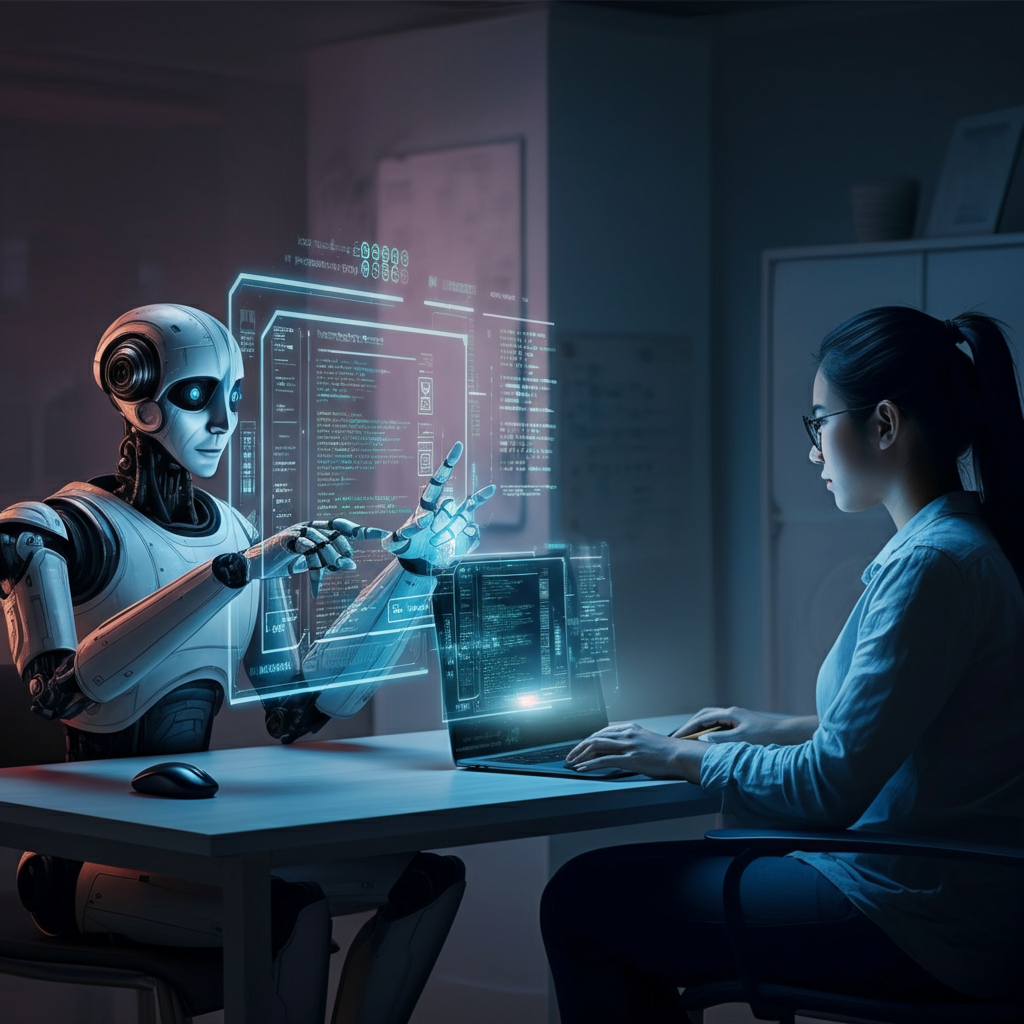
The software development landscape is undergoing a seismic shift. In 2026, AI coding agents have moved from experimental curiosities to essential tools that are fundamentally changing how code is written, reviewed, and shipped. From Anthropic’s Claude Code to new IDEs built specifically for the “agent era,” the way we build software has changed — perhaps permanently.
The Rise of AI Coding Agents
Just two years ago, AI-assisted coding meant autocomplete suggestions and simple code snippets. Today, AI coding agents can architect entire applications, debug complex systems, write tests, and even deploy code — all from natural language prompts. Tools like Claude Code, GitHub Copilot Workspace, and Cursor have evolved into full-fledged development partners.
According to recent discussions on Hacker News and coverage from MIT Technology Review, the adoption curve has been staggering. Developers are no longer asking whether to use AI agents — they’re asking how to best integrate them into their workflows.
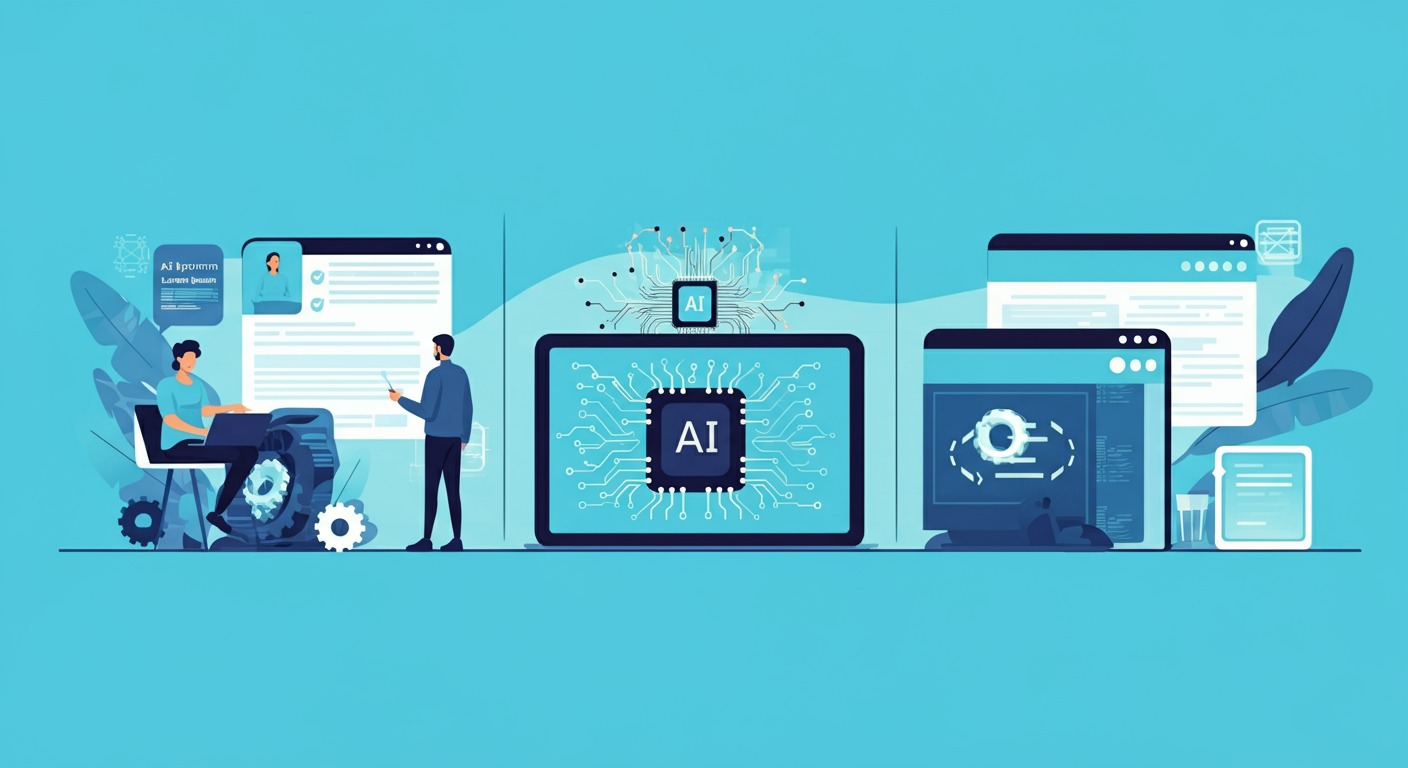
What Makes 2026 Different
Several converging trends make this year a tipping point:
1. Agent-Native IDEs
A new category of development environments has emerged — IDEs designed from the ground up for AI agents. Superset (YC P26) recently launched as an “IDE for the agents era,” running parallel AI agents on every task. This isn’t just autocomplete; it’s a fundamental rethinking of the developer experience around AI collaboration.
2. Claude Code and the Coding Future
Anthropic’s Claude Code has demonstrated that AI can handle increasingly complex coding tasks. As MIT Technology Review noted, “as tools like Claude Code get better, more and more developers are happy to hand off coding tasks to them.” The tool doesn’t just suggest code — it understands context, refactors entire codebases, and reasons about architecture.
3. AI-Driven Science and Research
Google I/O 2026 showcased how AI-driven science is shifting. Two years ago, an AI tool won Google DeepMind a Nobel Prize. Now, researchers are climbing toward even more ambitious goals, with AI agents assisting in hypothesis generation, experimental design, and data analysis.
4. The Musk v. Altman Trial and AI Governance
The high-profile legal battle between Elon Musk and Sam Altman over OpenAI’s governance has put a spotlight on how AI companies should be structured and governed. The trial raised more questions than answers, but one thing is clear: the stakes in the AI race have never been higher.

How AI Coding Agents Work
Modern AI coding agents operate on a simple but powerful principle: you describe what you want in natural language, and the agent figures out how to build it. Here’s what the workflow typically looks like:
- Task Description: The developer describes the desired feature or fix in plain English.
- Context Analysis: The agent reads the existing codebase, understands dependencies, and identifies the relevant files.
- Code Generation: The agent writes, modifies, or refactors code across multiple files.
- Testing: The agent writes and runs tests to verify the changes work correctly.
- Iteration: The developer reviews, provides feedback, and the agent refines the solution.
The Impact on Developer Productivity
Early data suggests that AI coding agents are delivering on their productivity promises:
- 50-70% faster completion times for routine coding tasks
- 40% reduction in boilerplate code writing
- 3x improvement in test coverage for projects using AI-assisted development
- Significant reduction in context-switching between documentation and coding
Challenges and Considerations
Despite the promise, there are real challenges to address:
Code Quality and Security
AI-generated code can introduce subtle bugs or security vulnerabilities. Organizations need robust code review processes and automated security scanning to catch issues before they reach production.
Intellectual Property Concerns
Questions about who owns AI-generated code and whether training data includes copyrighted material remain largely unresolved. The BambuStudio/PrusaSlicer AGPL license violation case on Hacker News highlights how open-source licensing issues are becoming more complex in the AI era.
Developer Skill Evolution
As AI handles more routine coding, the role of developers is shifting toward architecture design, problem decomposition, and AI orchestration. The most valuable developers in 2026 are those who can effectively direct AI agents rather than write every line of code themselves.
What’s Next: The Future of AI-Assisted Development
Looking ahead, several developments are on the horizon:
- Multi-agent systems where specialized AI agents collaborate on different aspects of a project
- Real-time collaboration between human developers and AI agents in shared coding environments
- Autonomous DevOps where agents handle not just coding but deployment, monitoring, and incident response
- Personalized AI pair programmers that learn your coding style and preferences over time
Conclusion
AI coding agents are no longer a futuristic concept — they’re here, and they’re transforming software development at every level. Whether you’re a solo developer or part of a large engineering team, understanding and leveraging these tools is becoming essential. The question isn’t whether AI will change how we code; it’s whether you’ll be ahead of the curve or playing catch-up.
The developers and organizations that thrive in 2026 and beyond will be those that embrace AI agents as powerful collaborators while maintaining the critical thinking and architectural skills that no AI can replace.
This article was researched using the latest trending topics from Hacker News, MIT Technology Review, and industry analysis. Last updated: May 23, 2026.